Flat rack shipping containers are typically available through specialized container dealers, intermodal equipment suppliers, regional container yards, resellers, and international container traders. Before you buy, the key questions are where the exact unit is located, whether it is available, what condition it is in, and what it will cost to deliver to your site.
It is also important to make sure you are searching for the right product.
A flat rack shipping container is built primarily for oversized or irregular cargo. A flat-pack storage container serves a different purpose: it travels in a compact format and is assembled into enclosed steel storage at the destination.
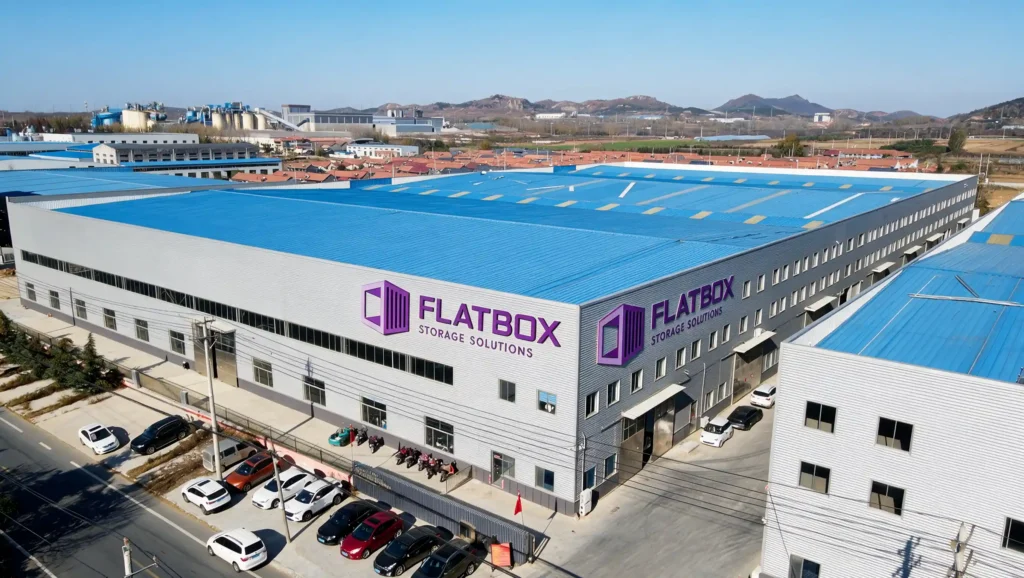
We specialize in flat-pack storage solutions rather than flat rack shipping equipment. If your goal is secure storage rather than oversized-cargo transport, we can help you compare the difference and choose a storage configuration that fits your site and rollout plans.
Where Can You Buy Flat Rack Shipping Containers?
Flat rack shipping containers for sale are commonly listed through shipping-container dealers, intermodal equipment suppliers, regional depots, container yards, resellers, and import/export specialists.
The main challenge is verifying that the exact unit is available where you need it.
An online listing may show a 20-foot or 40-foot flat rack without clearly identifying the depot, current stock status, delivery radius, or total delivered cost. That matters across the United States and Canada, and it can matter even more when delivery to Puerto Rico involves additional freight or repositioning.
Before committing to a purchase, confirm the unit size, condition, fixed or collapsible end configuration, physical location, delivery options, data-plate or certification information, and any unloading or handling requirements.
A clear delivered quote gives you a better comparison than an advertised container price by itself.
How Do You Confirm a Flat Rack Is Actually Available?
Used flat rack inventory can change quickly, so verify the specific unit before making plans around it.
Ask whether the quoted rack is in stock, whether the price applies to the exact unit shown, and whether current photos or inspection information are available. Confirm the depot location as well.
That location can have a major effect on the final cost. A lower purchase price may lose its advantage if the rack must be repositioned a long distance before local delivery begins.
For Puerto Rico, separate the advertised equipment price from freight, port-related handling, local delivery, and unloading. For buyers in the United States and Canada, distance from the storage yard can still materially affect the delivered total.
Which Flat Rack Shipping Container Should You Buy?
Flat racks are commonly offered in 20-foot and 40-foot formats, with either fixed-end or collapsible-end designs.
The right configuration depends on the cargo, not just the price.
Consider the dimensions and weight of the load, how it will be lifted, how it will be secured, whether it extends beyond the normal container footprint, and what transport requirements apply.
A 20-foot flat rack may work well for compact, dense cargo. A 40-foot rack can provide more length for machinery, structural components, pipe, fabricated steel, and other oversized loads.
Fixed-end flat racks keep the end structures upright. Collapsible-end flat racks allow the ends to fold down when the rack is empty, which can help with empty storage or repositioning.
Condition matters as well.
A used rack may be practical when cost is a priority and the unit still meets the required structural and transport criteria. A newer rack may make more sense when appearance, documentation, remaining service life, or condition carries more weight.
Do not rely on a generic online payload number. Verify the data plate, certification, condition, and technical specification of the specific rack you are considering.
What Does a Flat Rack Shipping Container Really Cost?
The purchase price is only one part of the decision.
A useful comparison should include the unit, condition, repositioning or freight, local delivery, unloading, lifting or handling requirements, inspection or repairs, and any cargo-securing equipment needed for the shipment.
That is why the delivered cost is more useful than the listing price.
A rack with a lower advertised price can become the more expensive option once it is moved from another depot, delivered to the site, unloaded, and prepared for use.
Before you buy, ask for a quote that identifies where the rack is located, what condition is being sold, what is included, how delivery will be handled, and what responsibilities remain at the receiving site.
Flat Rack vs. Flat Pack: What Is the Difference?
The names are similar, but the products are designed for different jobs.
A flat rack shipping container is primarily a cargo-transport platform. It is used when machinery, vehicles, steel, pipe, fabricated components, or other oversized loads cannot fit inside a conventional enclosed shipping container.
A flat-pack storage container is designed around storage rather than oversized freight.
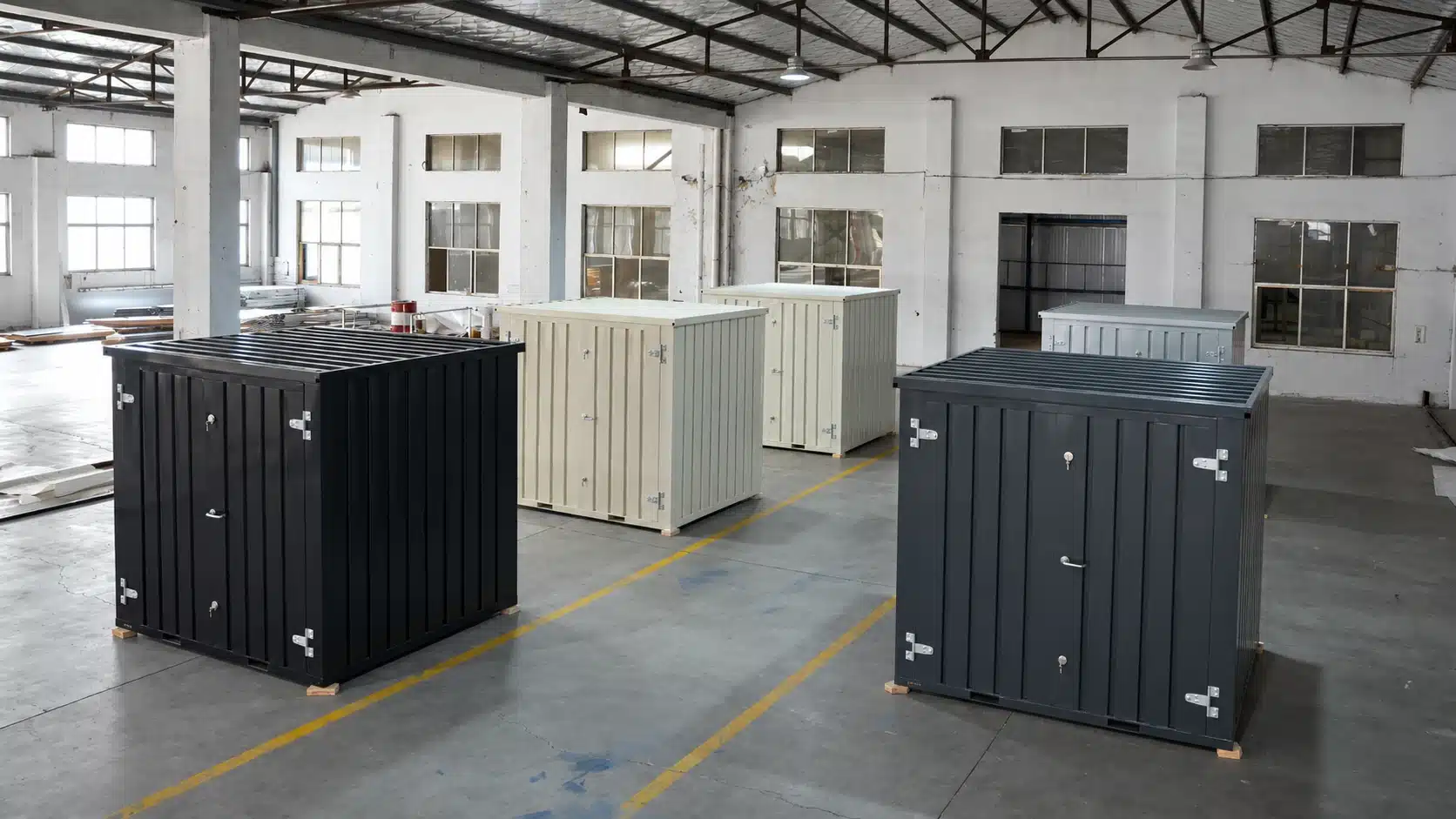
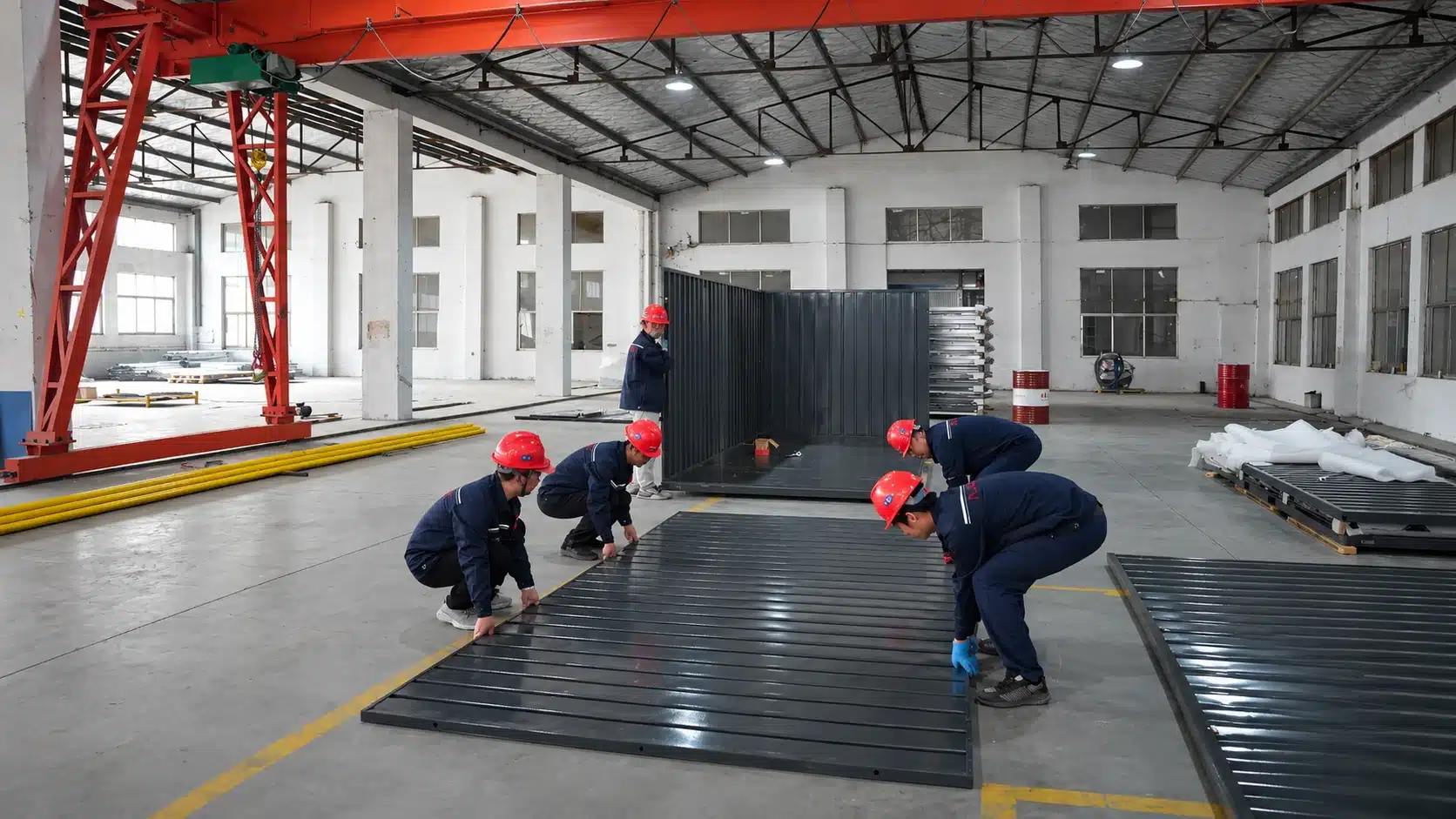
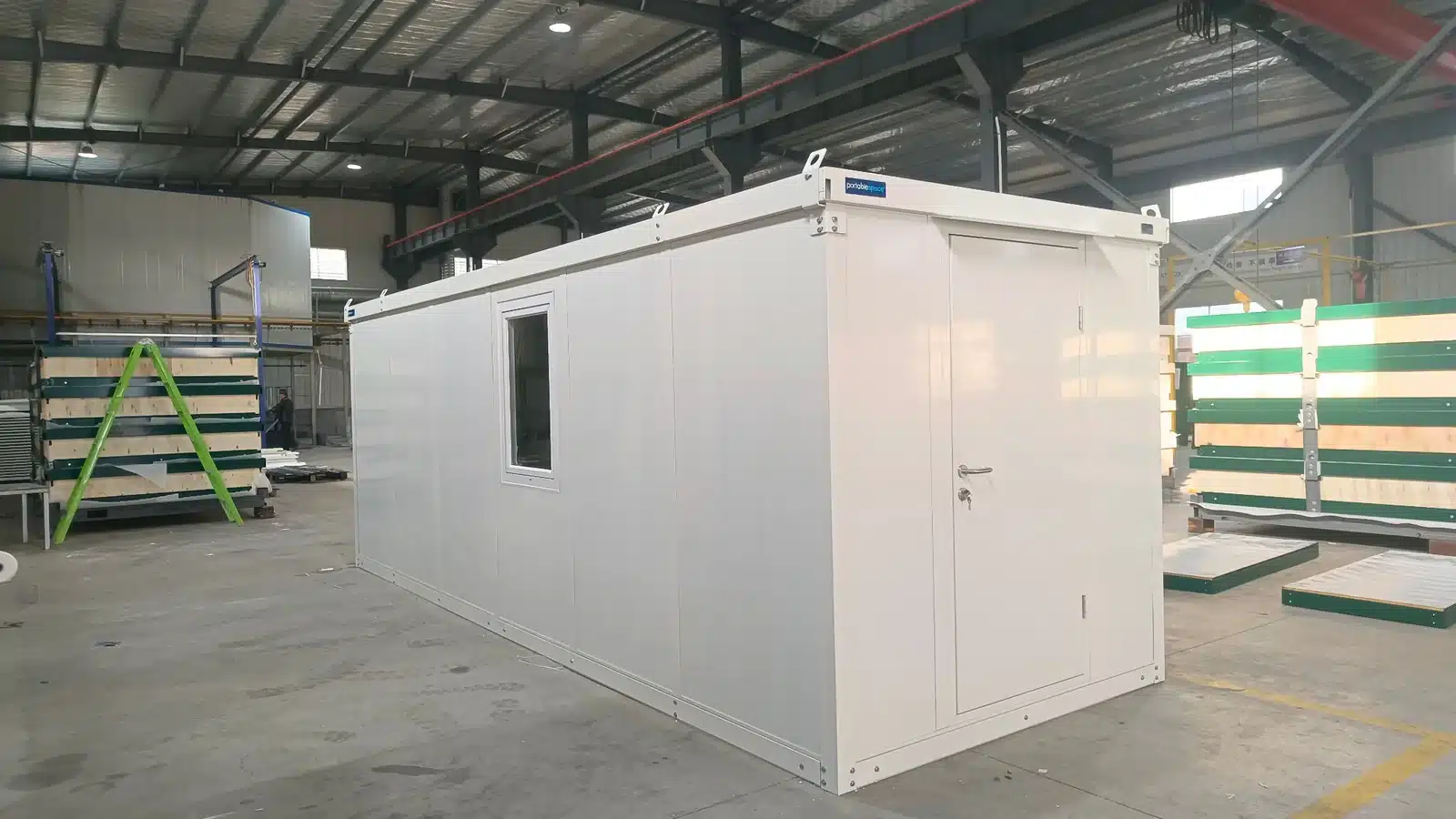
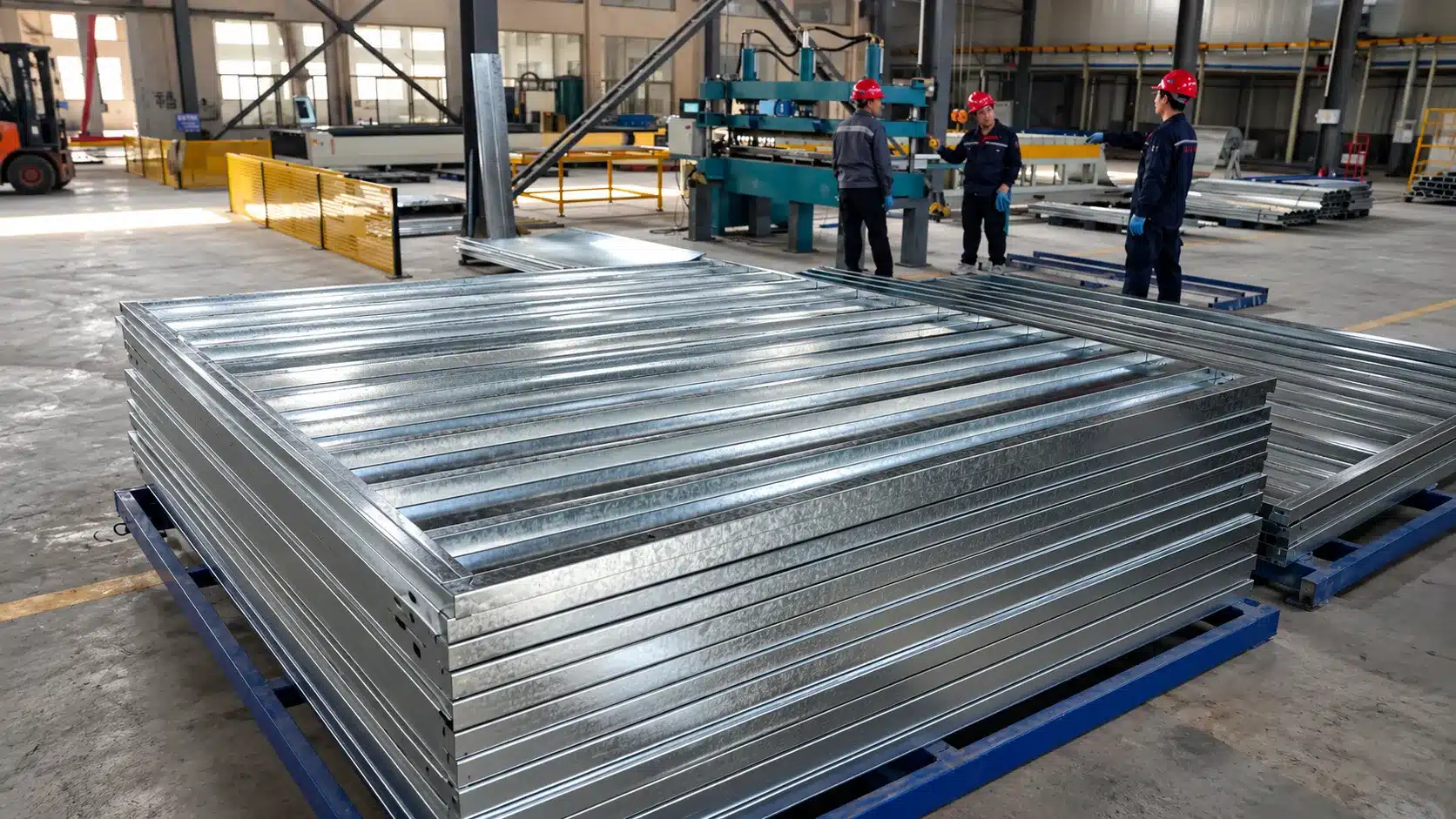
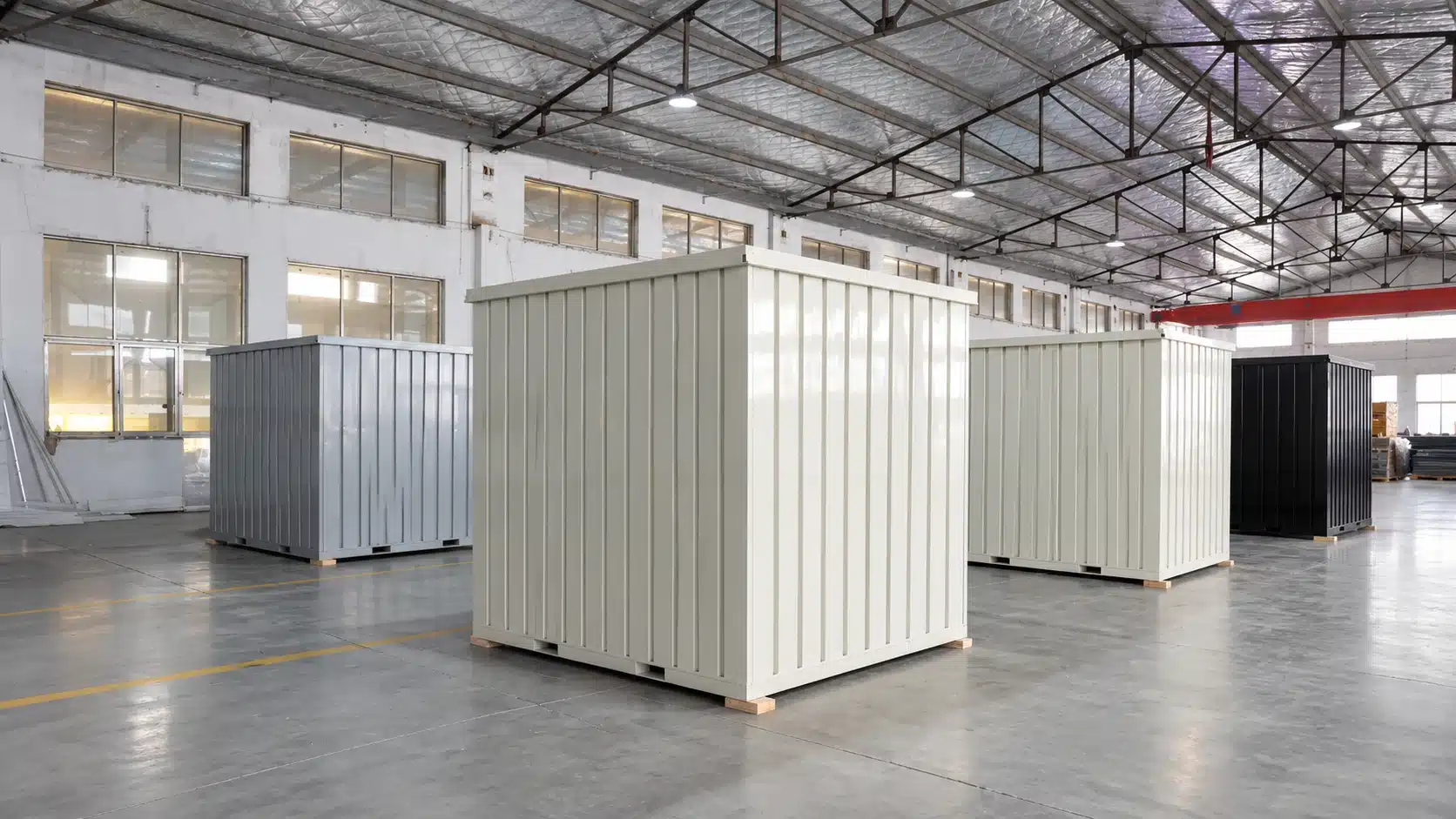
We supply flat-pack steel storage units that travel in a compact format and are assembled into enclosed storage at or near the destination. The format is suited to applications where you need secure storage for tools, equipment, inventory, parts, PPE, materials, or site operations.
If you need to move oversized cargo through a freight network, a flat rack may be the right choice.
If you need enclosed steel storage that can be shipped compactly, assembled on site, configured around your operation, and repeated across future locations, our flat-pack storage system is the more relevant option.
When Does Flat-Pack Storage Make More Sense?
Our flat-pack storage range is built for buyers who need enclosed, owned storage rather than open cargo-transport equipment.
We offer storage units in 3.5-foot, 5-foot, 7-foot, 10-foot, 13-foot, 16-foot, and 19-foot lengths. That range helps us match the storage footprint to the site rather than force every requirement into one standard container size.
Available options can include:
- Secure locks
- Flooring
- Shelving
- Pipe racks
- Insulation
- Anti-condensation treatment
- Alternative door positions
- Linking kits
For contractors, industrial teams, warehouses, property operators, equipment dealers, and multi-site organizations, that flexibility can make flat-pack storage a better fit when the real requirement is secure, organized storage close to the work.
What Should You Plan Before Ordering Flat-Pack Storage?
Once you know you need enclosed storage, the buying process becomes more specific.
Start with what you need to store, the capacity required, the available footprint, site access, security requirements, flooring, internal organization, accessories, and whether the same setup may be needed again.
We provide hardware kits along with manual and video assembly guidance for our storage units.
Labor, handling equipment, unloading, and setup requirements can vary by unit size, configuration, and site conditions, so we plan deployment around the actual project rather than apply one assumption to every location.
What If You Need the Same Storage Setup at Multiple Sites?
For multi-site operations, repeatability can be more valuable than unlimited customization.
Once a size, lock, flooring, shelving, door position, and accessory package works, we can use that configuration as the starting point for the next location.
We structure our storage range around standardized sizes and repeatable configurations so procurement and operations teams can build a consistent storage standard without starting from zero for every site.
We sell our units for owned deployment rather than rental, making the model well suited to recurring, long-term, and multi-location storage requirements.
How Do You Know Which Container You Actually Need?
Start with the job the container needs to perform.
If you need to transport oversized or irregular cargo, a flat rack shipping container may be the right equipment.
If you need enclosed intermodal freight capacity, a standard shipping container may be more appropriate.
If you need secure steel storage that can travel compactly, be assembled at the destination, and be configured around your operation, our flat-pack storage units give you a different path.
Choosing by function first helps you avoid paying for the wrong equipment.