We help procurement, facilities, and multi-site teams define unit sizes, quantities, accessories, delivery needs, placement details, and rollout requirements before ordering.
A storage rollout becomes easier to price, approve, and repeat when everyone is working from the same list.
That is where a container BOM comes in.
A BOM, or bill of materials, helps your team define what needs to be purchased before a quote turns into an order. For storage rollouts, that means more than writing down “storage container” and a quantity. A useful container BOM should capture the unit type, size, quantity, accessories, locking options, delivery details, placement requirements, and site-specific notes that help procurement, facilities, and operations teams make a confident decision.
When that information is missing, the process slows down.
One site asks for a container. Another asks for shelving. Another needs pipe racks. Another needs a different lock. Another has limited access for delivery. Another location needs the same setup repeated six months later, but nobody documented what was ordered the first time.
We help teams avoid that kind of guesswork.
At Flatbox, we build flat-pack steel storage units for organizations that need secure, organized, repeatable storage across facilities, warehouses, jobsites, campuses, properties, yards, and multi-site operations. If your team is researching how to build a BOM or trying to create a box BOM for a storage rollout, we can help you define the right details before requesting pricing.
Start With the Storage Goal
Before listing products, start with the purpose of the storage.
A facilities team may need a secure unit for tools, filters, parts, PPE, cleaning supplies, or seasonal equipment. A warehouse may need overflow storage, dock-adjacent supplies, returns storage, or short-term project inventory. A contractor may need jobsite storage for tools, fasteners, fixtures, materials, and phase-based supplies. A property team may need maintenance storage, landscaping equipment storage, tenant support storage, or shared-site storage across several buildings.
The goal should shape the BOM.
If the storage will be accessed daily, the layout matters. If multiple crews or departments need access, locks and compartments matter. If long materials are being stored, racks matter. If the site has tight access, delivery and placement details matter. If the same storage setup will be repeated across multiple locations, standardization matters.
A strong container BOM starts by answering one practical question:
What does this storage need to do every day?
Define the Unit Type
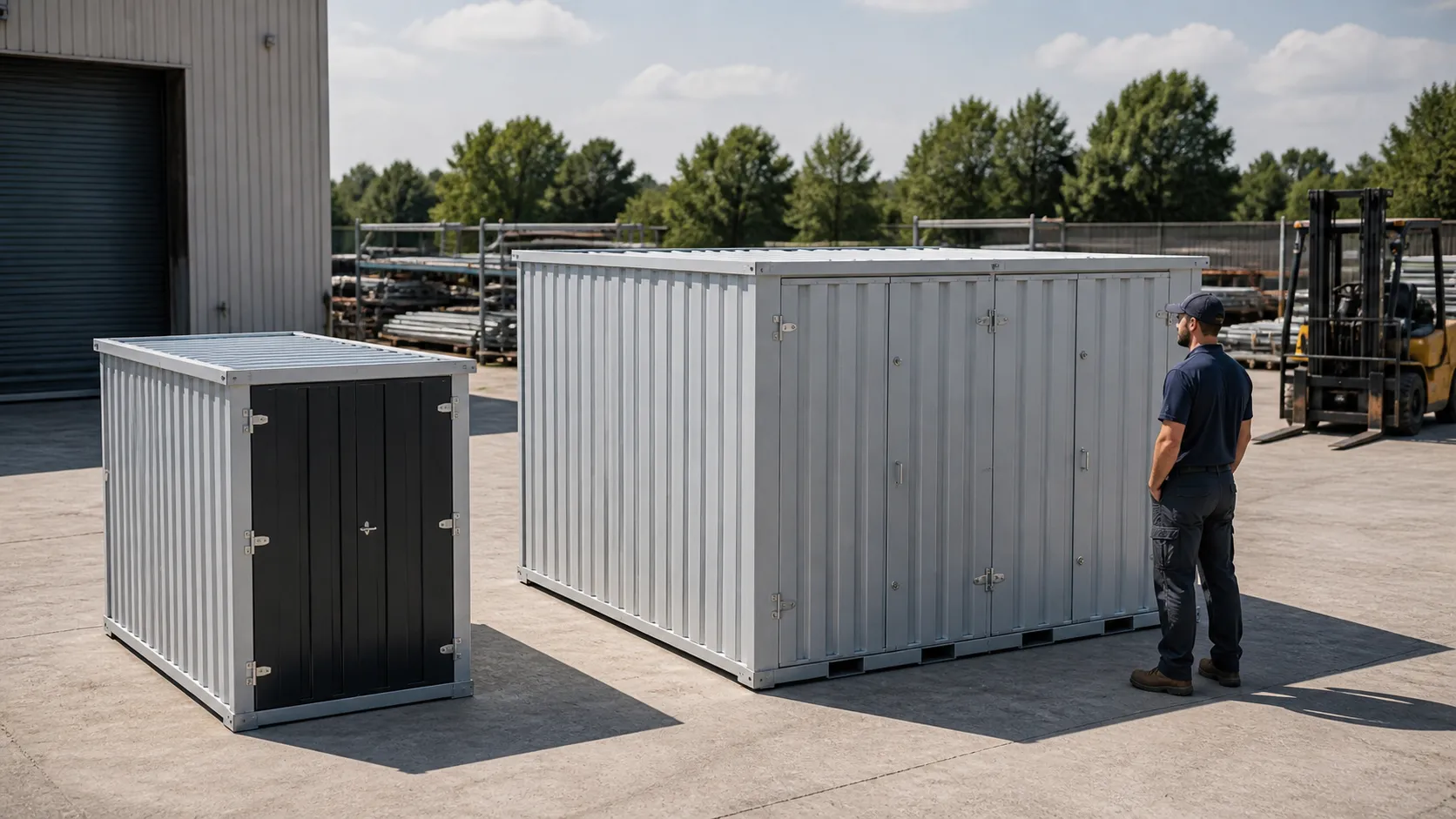
Once the storage goal is clear, choose the unit type.
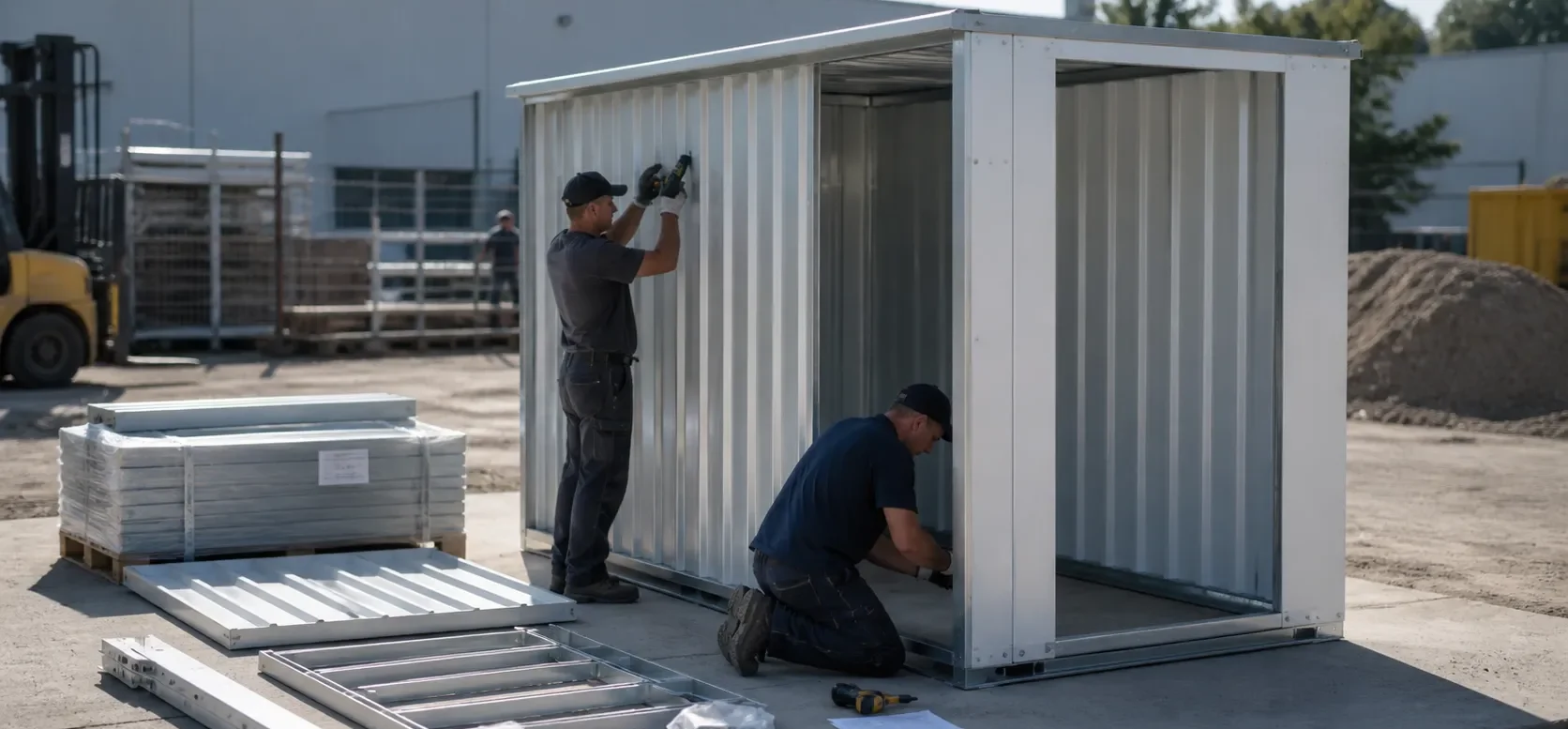
For many storage rollouts, flat-pack storage units are the starting point. These units can support tools, equipment, materials, inventory, maintenance supplies, PPE, and general site-based storage.
For teams that need separate access, multi-compartment units may be a better fit. These can help separate storage by tenant, department, crew, vendor, or use case.
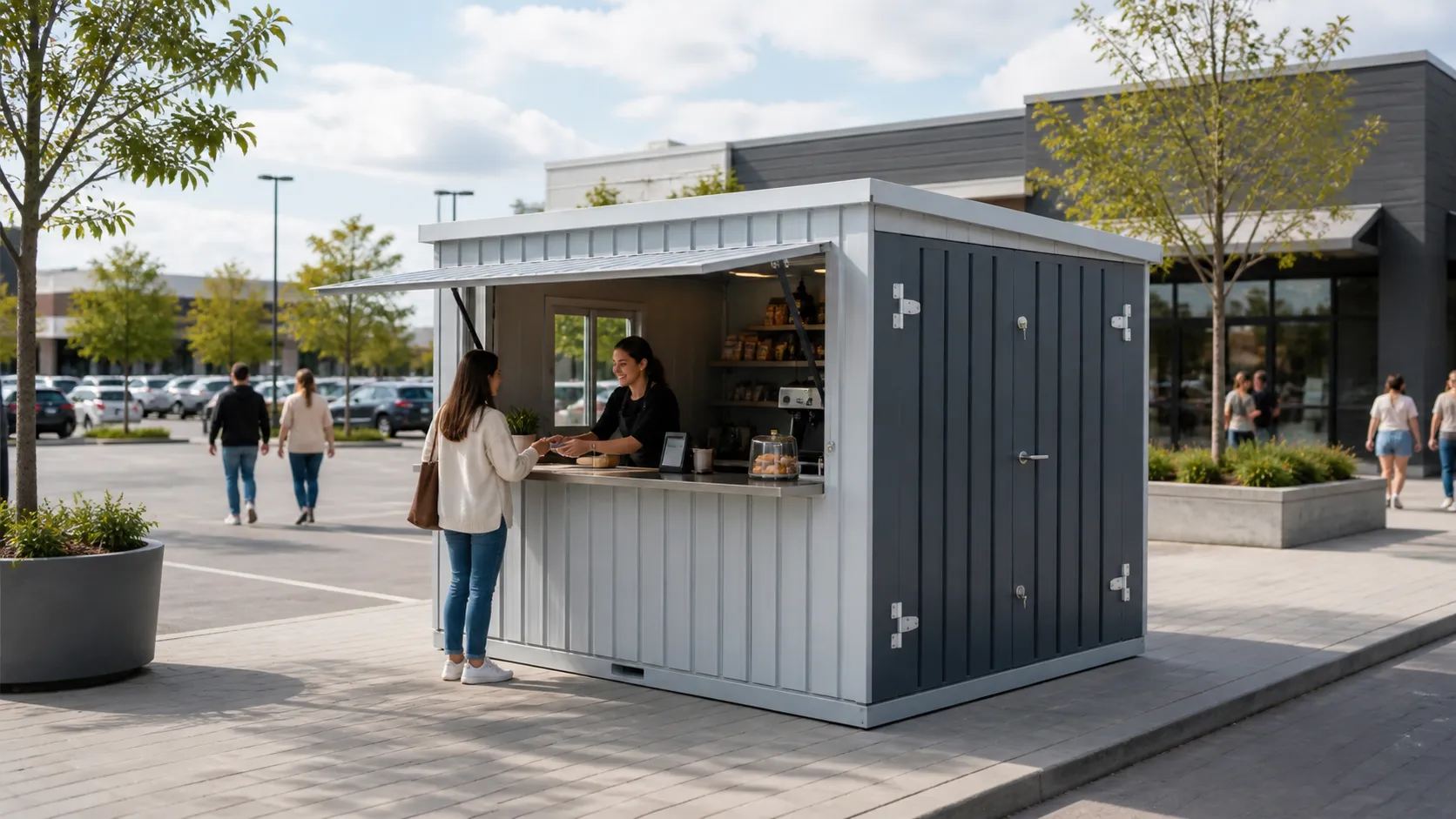
For teams that need customer-facing service, pickup, ticketing, security, or information points, kiosk units may belong in the BOM.
For teams that need field coordination, guard stations, site administration, or temporary workspace, office units may be part of the rollout.
This step matters because a container BOM should not treat every site the same. Storage, multi-compartment access, kiosk service, and office use each require different planning details.
Choose the Right Unit Size
After choosing the unit type, define the size.
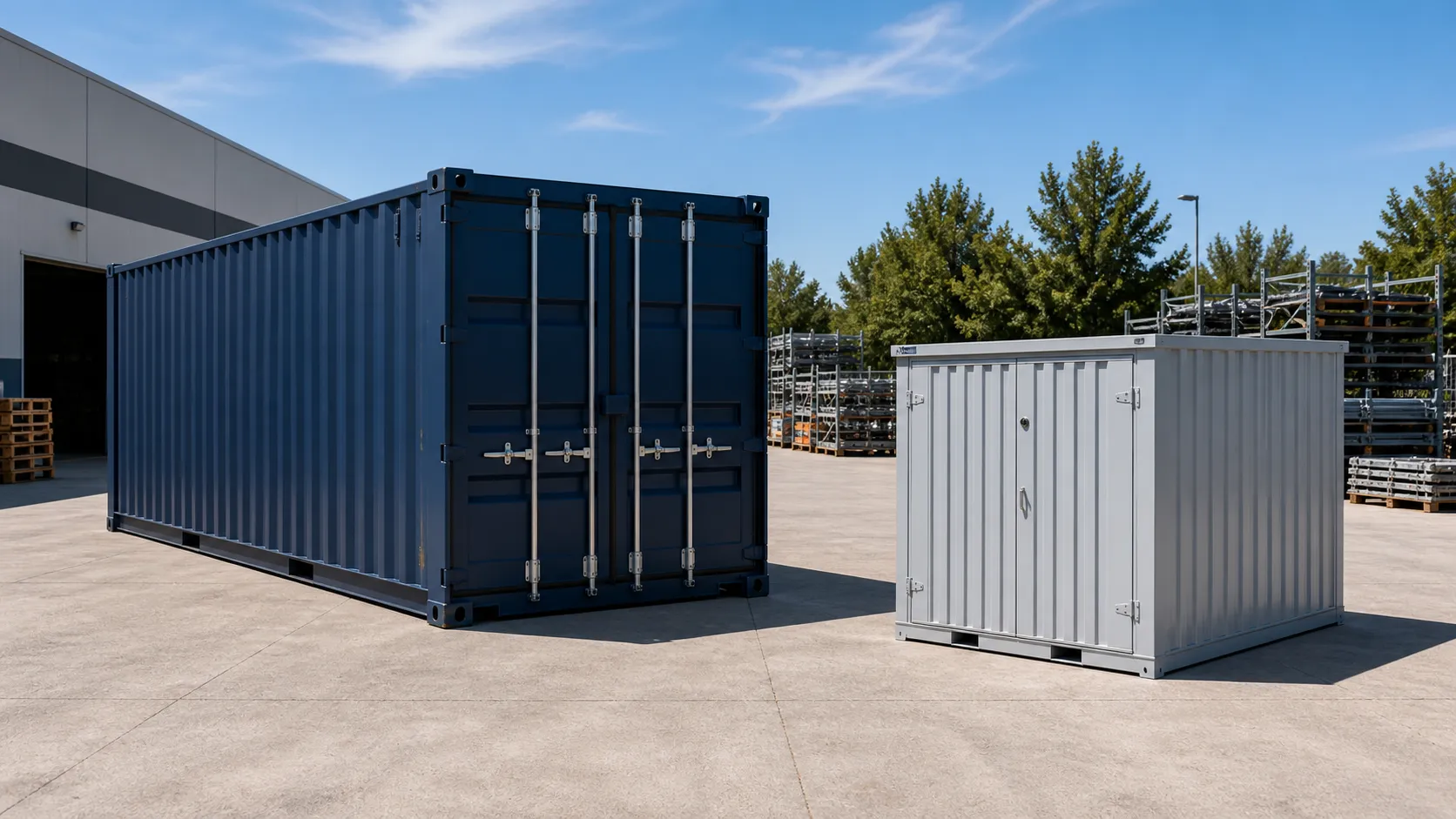
A compact storage unit may work well for tools, maintenance supplies, PPE, or smaller site needs. A larger unit may be a better fit for equipment, warehouse overflow, construction materials, property operations, or multi-department storage.
When building a container BOM, avoid choosing size only by available space. Think about how the unit will be used.
Will crews need walking room inside? Will materials be stacked? Will shelves be installed? Will long materials need racks? Will equipment be loaded and unloaded regularly? Will the unit support one department or several?
The right size should match both the storage volume and the workflow.
For multi-site rollouts, size decisions should also be repeatable. If several locations have the same storage need, using the same unit size can make pricing, ordering, deployment, and maintenance easier to manage.
List Quantities by Site
A useful BOM should clearly show how many units are needed and where they are going.
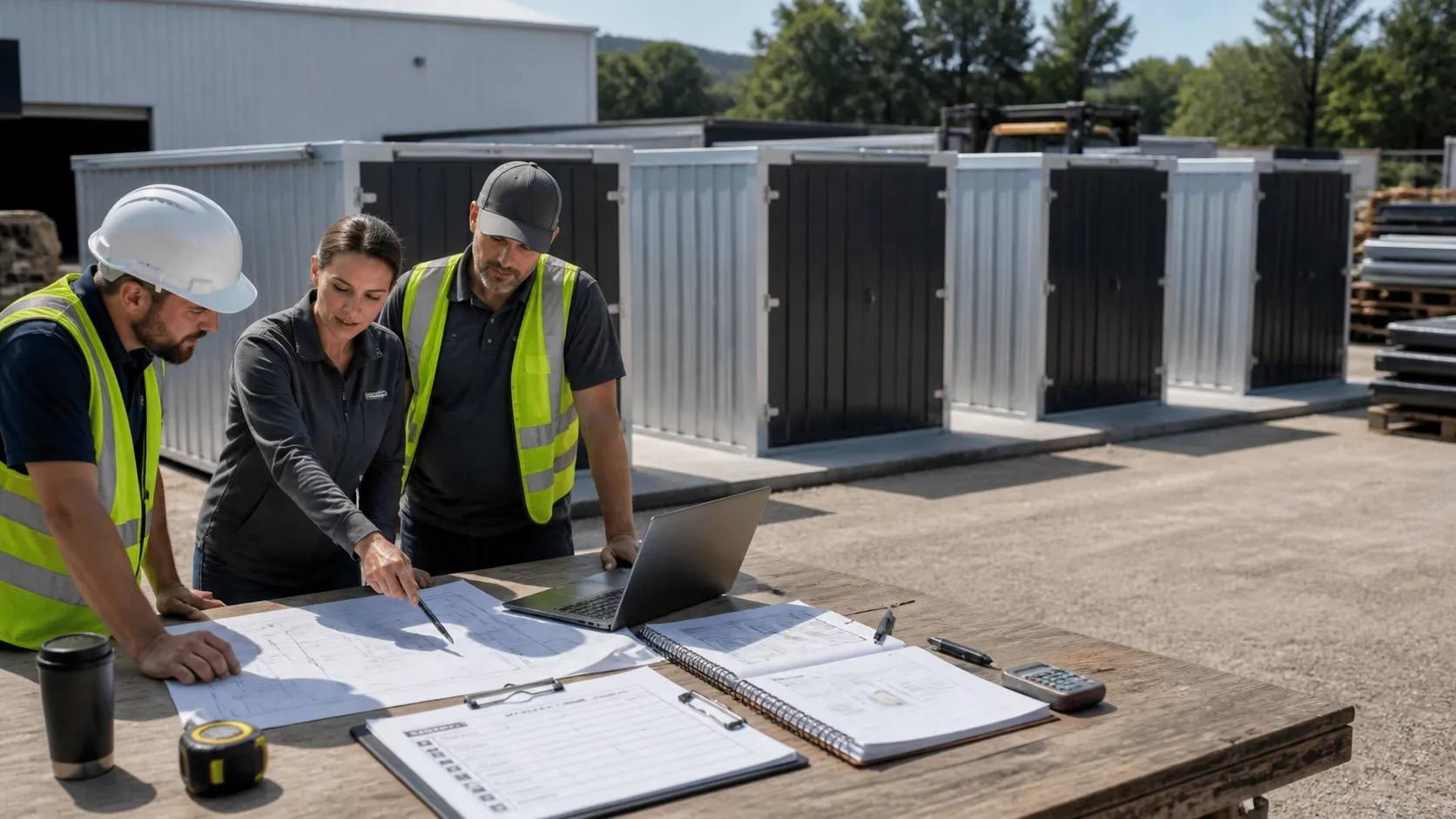
For a single site, that may be simple. For multi-site teams, this is where details matter. A clean storage BOM should include the site name or location, unit type, unit size, quantity, primary use case, accessory package, placement notes, and delivery timing or phase.
This helps procurement and operations teams compare the full rollout instead of managing scattered requests.
For example, one facility may need two storage units for maintenance supplies. Another may need one larger unit for equipment. Another may need a multi-compartment unit for separated department storage. When those details appear in one BOM, pricing and approval become easier.
Add Accessories Before Requesting Pricing
Accessories should not be an afterthought.
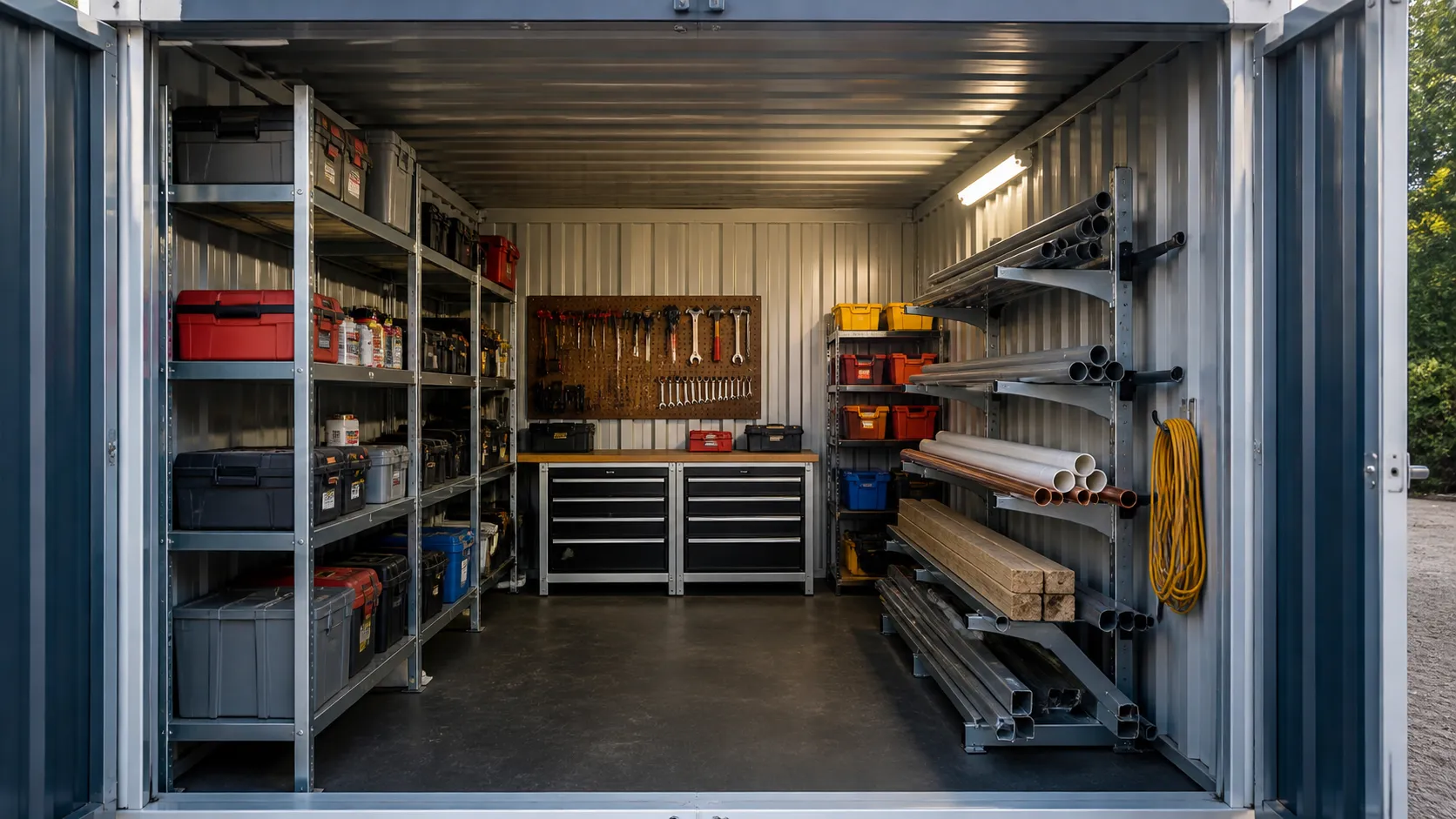
A storage unit works better when it is planned around daily access. Without the right layout, tools get mixed with parts, PPE gets buried behind supplies, long materials take over the floor, and teams waste time searching for what they need.
Your container BOM should include the accessories needed to make the unit usable.
Shelving can help keep tools, parts, and supplies off the floor. Pipe racks can support conduit, pipe, lumber, and other long materials. Locking upgrades can help control access. Flooring upgrades can support daily use. Linking kits can help bank units together when multiple units are placed in the same area.
If accessories are left out of the BOM, the quote may not reflect how the storage will actually be used.
Include Locking and Access Requirements
Security should be built into the BOM early.
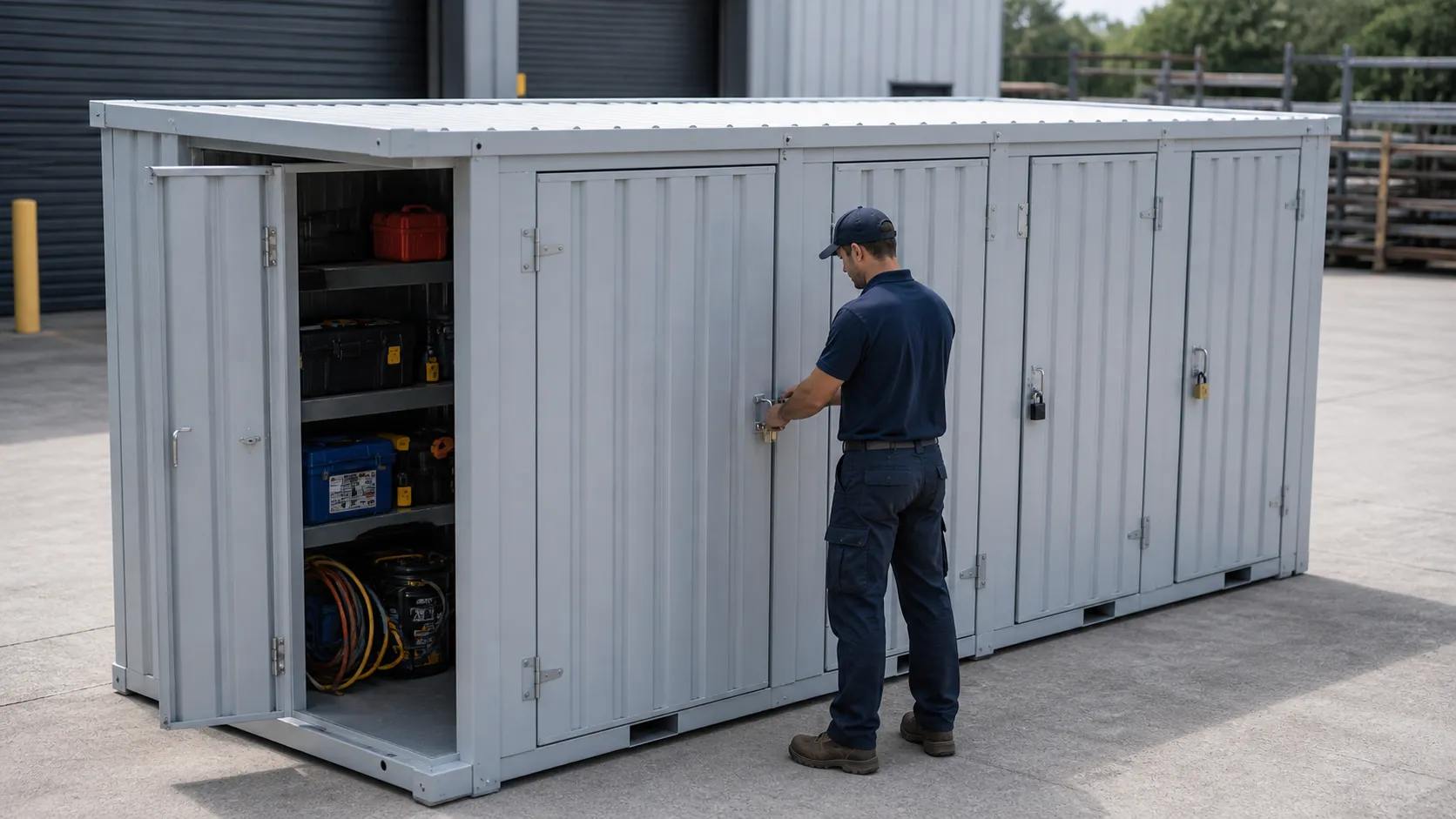
Different sites may have different access needs. A maintenance team may need shared access. A contractor may need controlled access by crew. A property manager may need separate storage for tenants, staff, and vendors. A warehouse may need restricted access for inventory, returns, or tools.
A strong box BOM should define who needs access and how storage should be secured.
This may include standard locks, upgraded locking systems, separate lockable bays, or different access plans by department or site.
The more people who use the storage, the more important access planning becomes. Clear lock and access details can reduce confusion later and help every location follow the same standard.
Capture Delivery and Placement Details
A container BOM is not complete without delivery and placement notes.
Even the right unit can create problems if the site is not ready for delivery or setup.
Before requesting pricing, document where each unit will go. Note whether the site has tight access, limited receiving windows, service lanes, active vehicle flow, restricted staging areas, or specific placement requirements.
Your BOM should also capture whether the unit will support one phase of a project or remain on-site long term. If the storage will be repeated across several locations, include any standard placement expectations that should apply across the rollout.
Planning these details early helps reduce surprises and gives your team a clearer path from quote to deployment.
Standardize the BOM for Multi-Site Rollouts
The value of a container BOM becomes even clearer when storage needs repeat.
Without a standard, every location may build its own request. One site chooses a different size. Another adds shelving. Another skips locking upgrades. Another uses a different layout. Another buys from a different vendor.
That makes storage harder to price, approve, maintain, and scale.
A standardized BOM gives procurement, facilities, and operations teams a shared starting point. Once your team identifies the right unit sizes, accessory packages, locks, layouts, and delivery notes, that setup can be used again across future locations.
This helps turn storage from a one-off purchase into a repeatable operating standard.
What to Include in a Container BOM
A complete container BOM should include the practical details your team needs before ordering.
Include the unit type, such as storage unit, multi-compartment unit, kiosk unit, or office unit. Add the unit size for each use case, along with the quantity needed by site or phase.
Include accessories such as shelving, pipe racks, locking upgrades, flooring options, linking kits, or other selected options. Add security needs, including lock type, separated access, department access, or crew access.
Your BOM should also include placement details, delivery notes, and standardization notes so your team understands where the unit will go, how it will arrive, and whether the same setup should be repeated across future sites.
This level of detail helps your team request pricing with more clarity and fewer back-and-forth revisions.
Build a Better Storage Rollout Plan
When your team searches how to build a BOM, the goal is usually more than creating a list.
You need a purchase plan that helps people make decisions. Procurement needs pricing clarity. Facilities teams need storage that works on-site. Operations teams need access and organization. Finance needs a clear scope. Multi-site teams need repeatable specs.
We help teams bring those needs together.
Our flat-pack steel storage units, accessory options, and rollout planning give procurement and operations teams a practical way to build storage BOMs for facilities, warehouses, jobsites, campuses, properties, public works yards, and multi-site operations.
If your current storage requests are coming in as scattered notes, emails, or site-by-site decisions, we can help you turn them into a cleaner plan.