What to look for in flat pack storage containers for construction sites, from security and weather resistance to layout, delivery, and day-to-day jobsite performance.
Construction storage usually becomes urgent when a project is already moving.
Tools need to stay secure. Materials need to stay protected. Crews need quick access without wasting time. Site leaders need a storage setup that supports the work instead of adding one more operational problem to manage.
That is where weak storage choices get exposed fast.
A unit that is difficult to secure, awkward to place, or frustrating to use every day creates friction almost immediately. Productivity drops. Organization slips. Materials are left exposed. Crews work around the storage instead of using it properly. What looked acceptable during purchase starts causing problems on site.
Choosing the right flat pack storage container for a construction site is not just about adding enclosed space. It is about selecting a storage solution that can perform under jobsite conditions and continue supporting the work as the project evolves.
For contractors, field operations teams, and procurement leaders, the strongest option is usually the one that solves several problems at once. It needs to be durable, secure, practical to deploy, and consistent enough to support future projects without forcing a new process every time.
Flatbox is built for exactly that. Flatbox manufactures standardized, rapidly deployable construction site storage containers designed for repeatable performance across jobsites in the United States, Canada, and Puerto Rico. Instead of treating storage as a one-off purchase, the system supports cleaner planning, more reliable deployment, and easier long-term use.
Durability Should Be the First Filter
Construction sites are hard on everything around them.
Weather changes. Dust builds up. Equipment moves constantly. Traffic patterns shift. Materials are loaded in and out all day. A storage unit that looks fine at delivery may not stay fine for long if the structure, finish, and hardware are not built for that environment.
That is why durability should come first.
A construction storage unit needs to do more than exist on the edge of the site. It needs to protect what is inside while holding up through changing conditions, repeated use, and jobsite wear. Weather resistance matters. Corrosion resistance matters. Structural strength matters. If crews are relying on the unit for tools, materials, or higher-value equipment, the enclosure needs to perform with consistency.
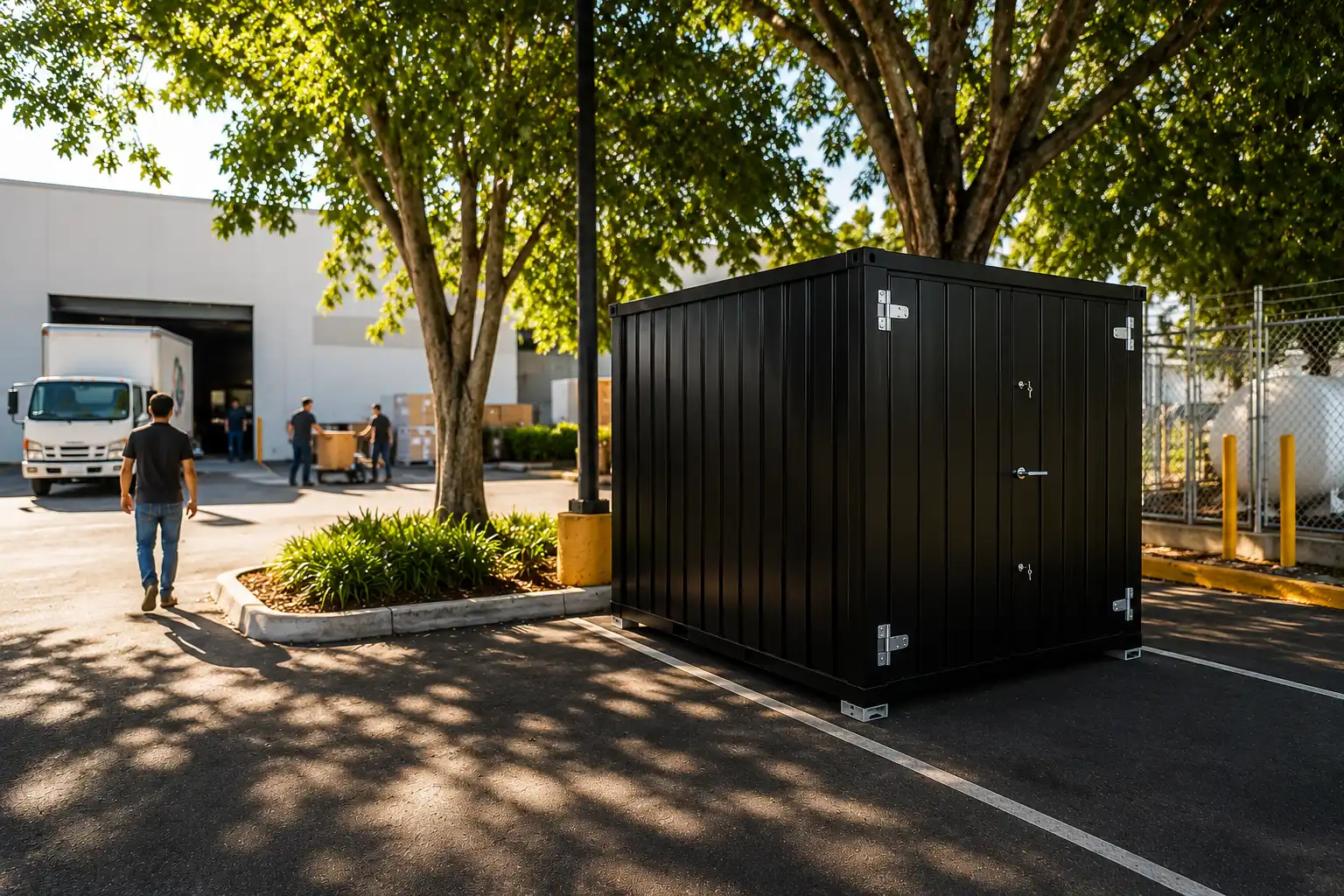
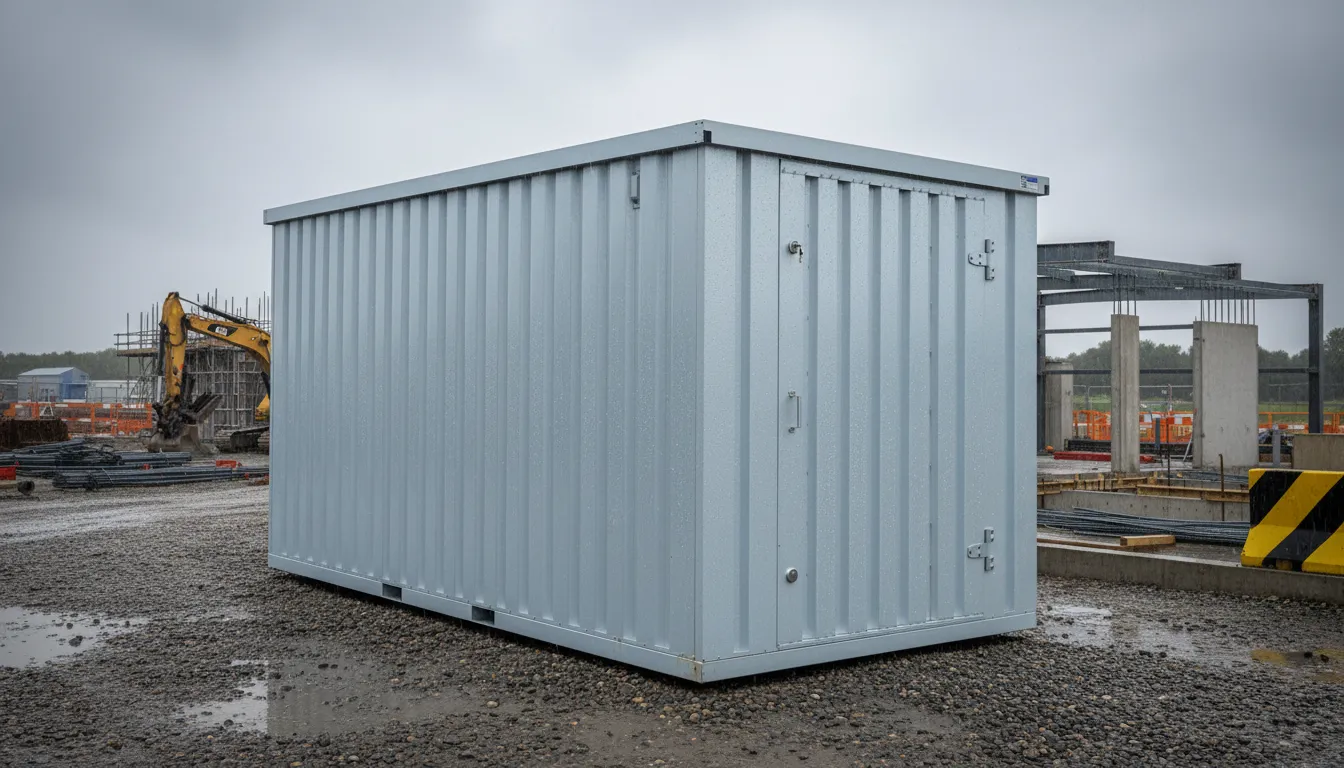
Flatbox storage units are built from galvanized or galvalume steel panels with a corrugated profile for strength and a powder-coated finish for corrosion resistance. That matters in coastal, humid, high-heat, and high-wear environments where weaker enclosures can become a maintenance problem quickly.
Durability is not a nice-to-have on a jobsite. It affects whether the storage solution remains useful after the first stretch of work.
Security Has to Work in Real Conditions
Construction storage is not only about where materials go. It is also about whether the team can trust what stays there.
Tools, consumables, fasteners, and smaller equipment are easier to manage when secure storage is close to the work zone. When security is weak, the cost shows up in missing items, delayed tasks, wasted labor, and unnecessary replacement spend.
That makes locking systems, access control, and enclosure integrity central buying criteria for jobsite storage containers.
A strong storage unit should support reliable daily use without compromising protection. It should help crews secure the site faster, retrieve what they need more efficiently, and reduce the risk that essential equipment disappears or gets mishandled.
Flatbox supports that with secure locking options and a standardized product approach that helps teams create more consistent storage setups across projects. That becomes especially valuable for contractors and operations groups managing multiple jobsites, where security expectations need to carry from site to site.
The Wrong Size Slows Down the Workday
Size is often underestimated during storage planning.
When a unit is too small, crews overpack it, leave materials outside, or waste time moving items around just to reach what they need. When a unit is too large for the site, placement becomes harder and the footprint may interfere with circulation, staging, or workflow.
The better question is not just how much space is available. It is how the unit will function inside the daily rhythm of the project.
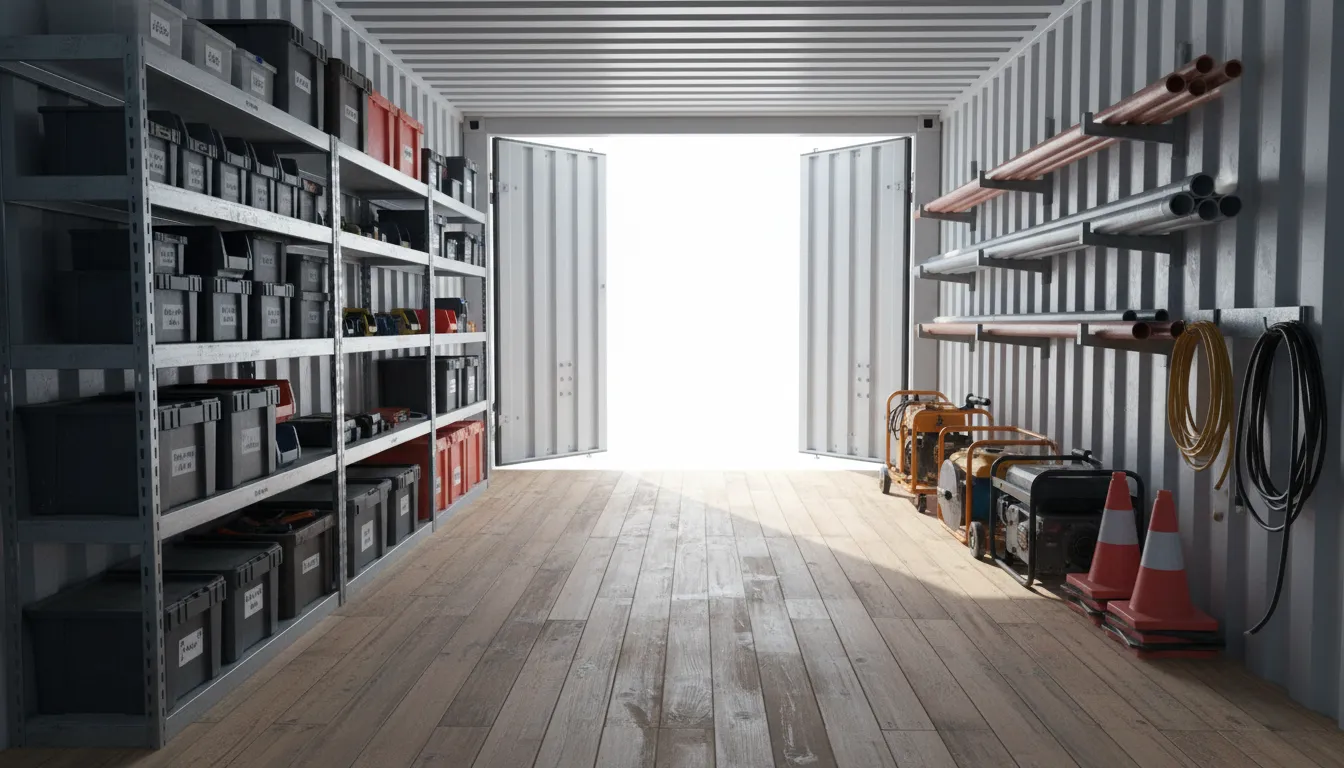
That includes interior organization, door access, shelving, pipe racks, and how quickly crews can retrieve tools or supplies without turning routine tasks into a search exercise.
Flatbox offers standardized storage units in multiple lengths, giving contractors a practical range that supports different site conditions without pushing the buying process into unnecessary complexity. That makes it easier to match the unit to the site while keeping planning more consistent across projects.
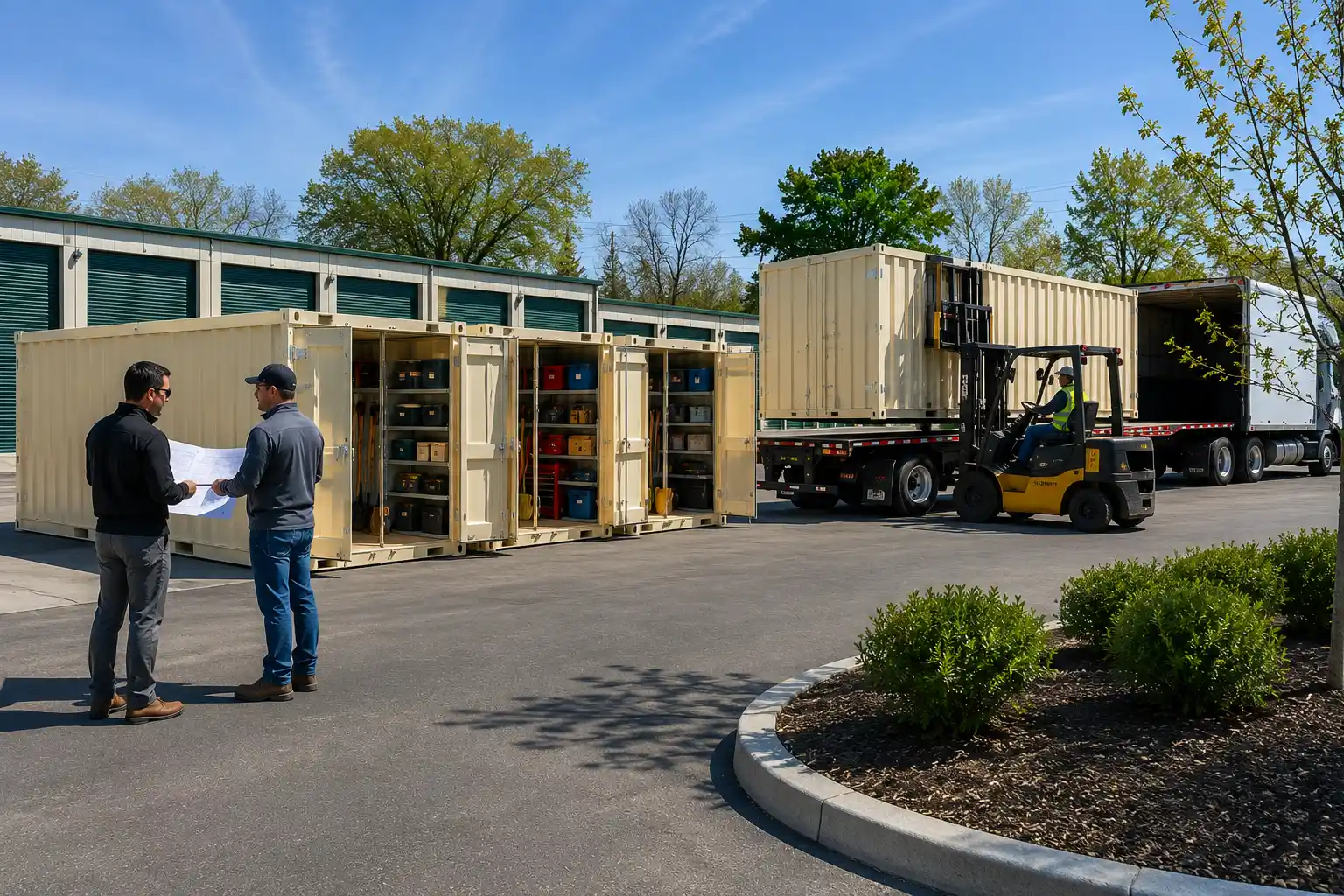
For teams that need separation by trade, phase, or crew, multi-compartment options can create cleaner accountability and reduce tool mix-ups. The right layout does more than hold materials. It protects workflow.
Delivery and Setup Should Never Be an Afterthought
A storage unit does not create value until it is on site, in position, and ready to use.
That sounds obvious, but delivery and setup are often treated as secondary concerns during evaluation. A unit can look right on paper and still become a problem if site access is tight, staging space is limited, or placement requires more disruption than expected.
This is where flat pack storage offers a practical advantage.
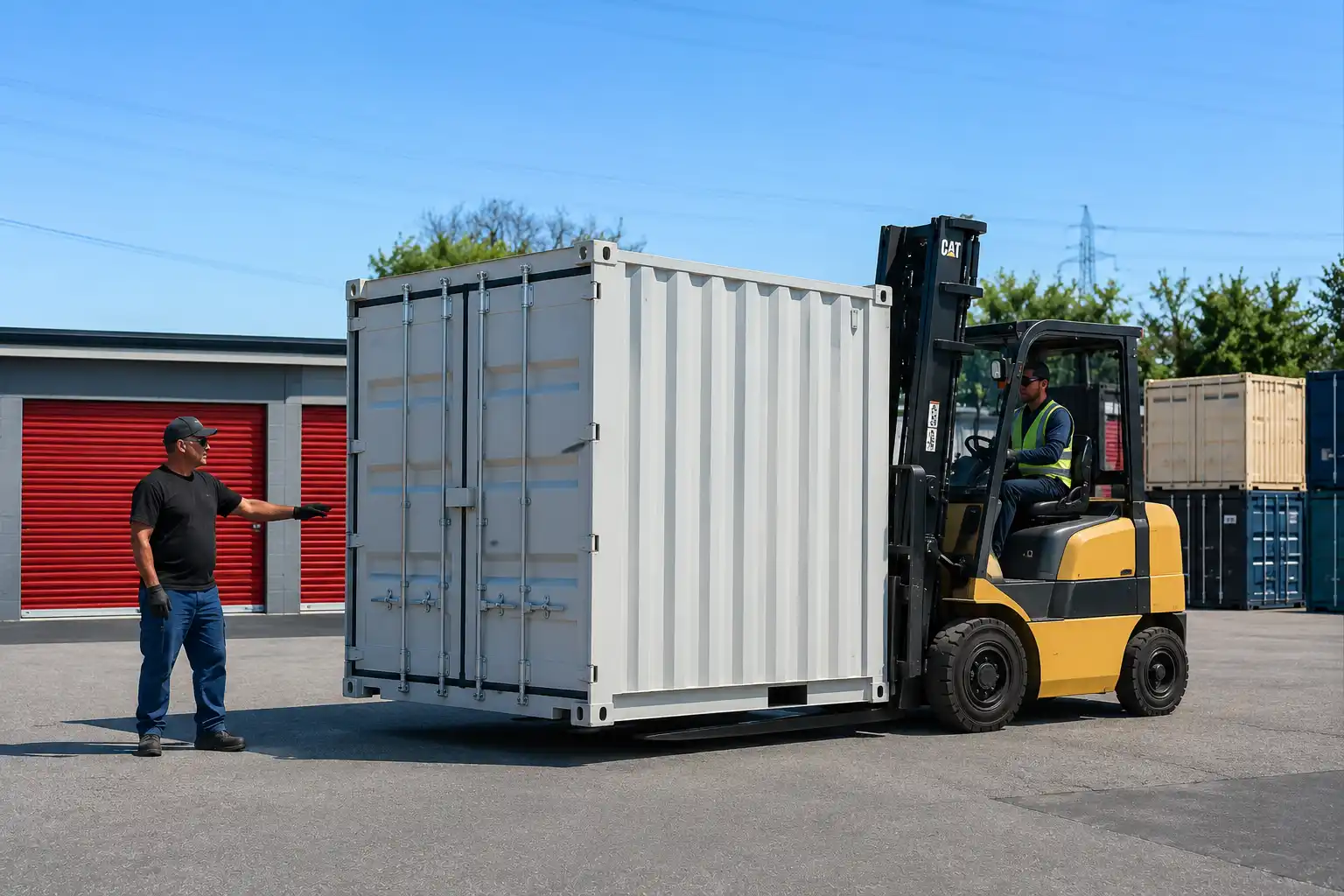
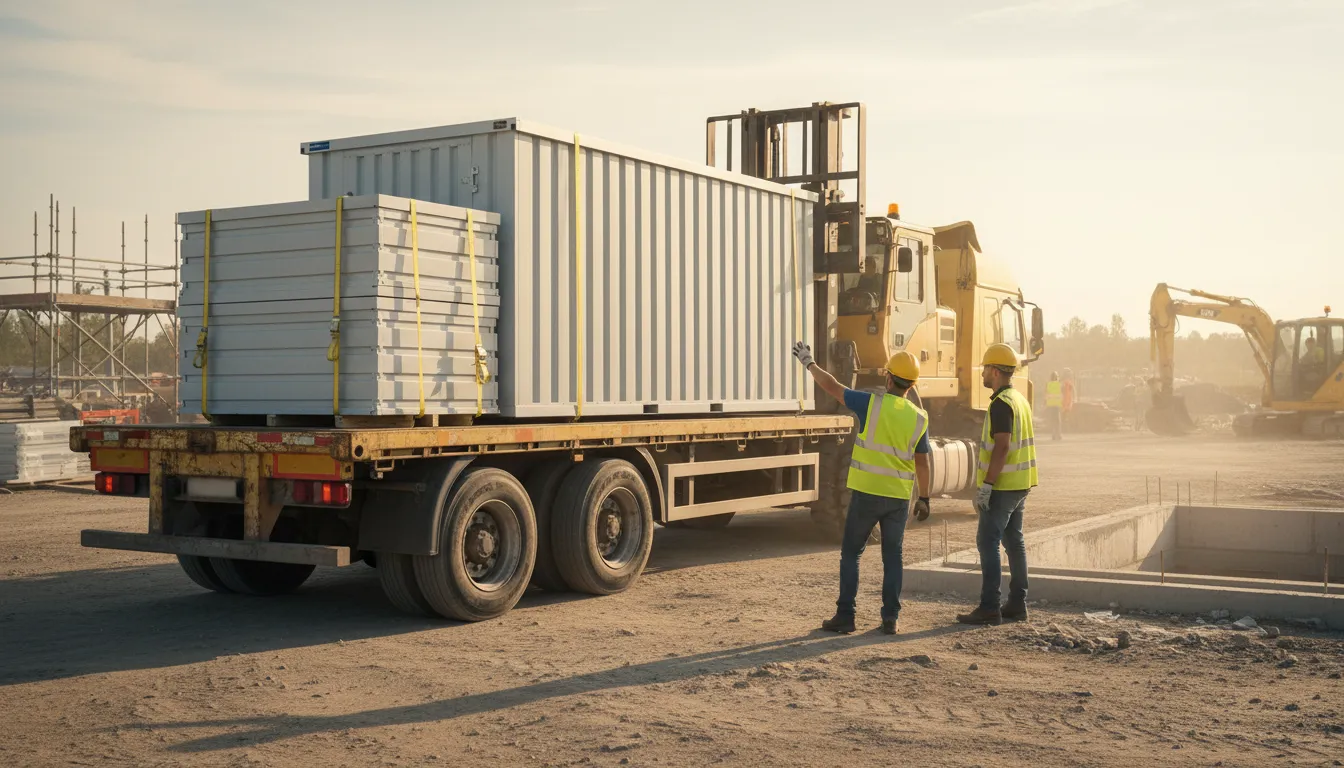
Flatbox is designed around faster, more efficient deployment. Units ship compactly, which helps reduce freight footprint and supports more controlled delivery planning. For contractors and site teams, that can make a meaningful difference when space is limited, schedules are tight, or multiple moving parts are already in play.
The real value is not just that storage arrives. It is that storage arrives in a way that fits the site and gets operational without unnecessary friction.
Organization Is Part of Jobsite Performance
Security is usually the first concern. Organization is often the longer-term advantage.
A unit that keeps materials dry but leaves everything stacked in a hard-to-manage pile still creates daily inefficiency. Crews lose time. Inventory becomes harder to track. Accountability slips. Replacement costs rise because usable items are buried, misplaced, or handled poorly.
That is why the interior setup matters.
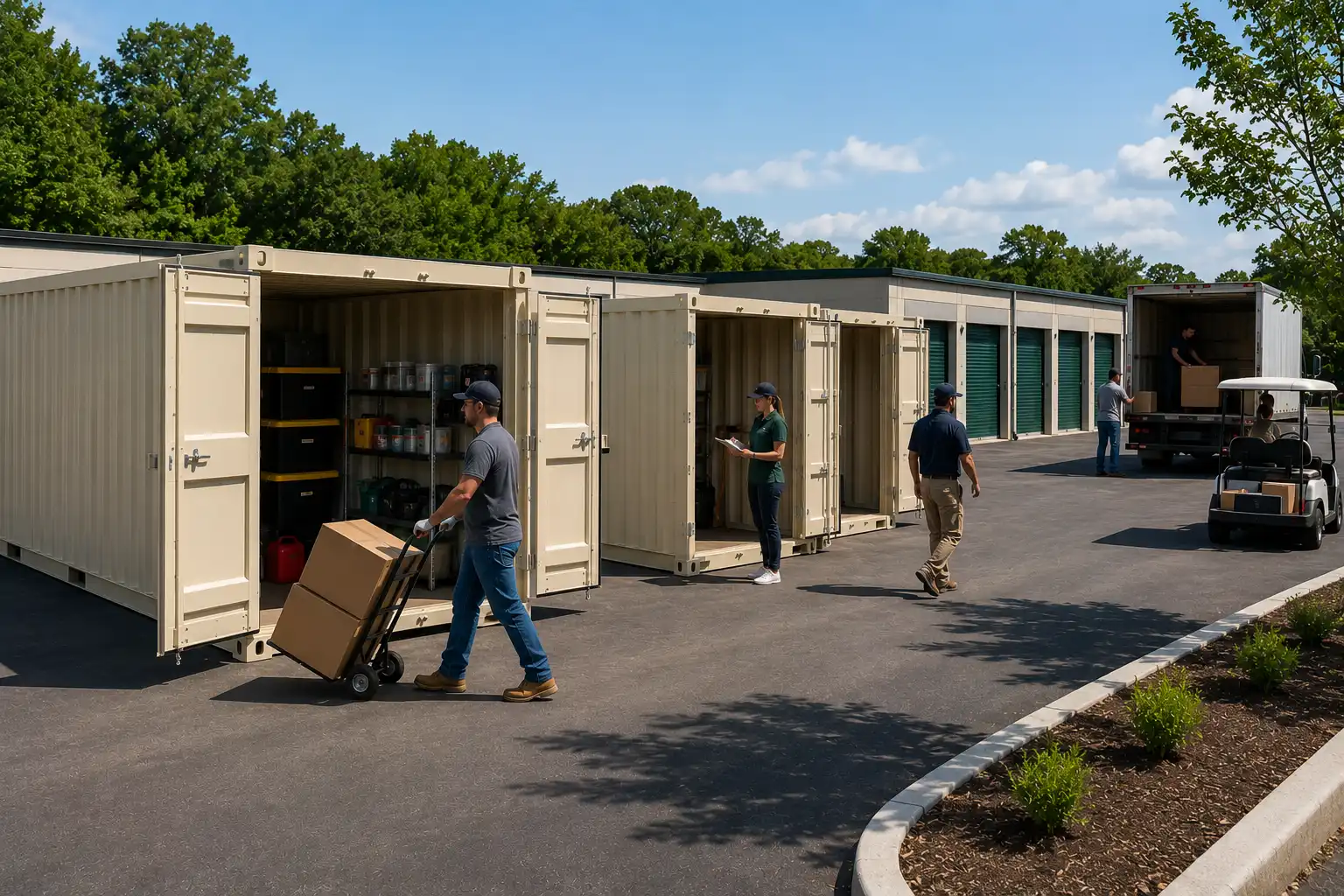
Shelving, pipe racks, flooring upgrades, and the right accessory choices can turn a storage unit into a more functional operating asset. Flatbox supports an accessory ecosystem designed to keep tools, parts, and materials organized and off the floor, helping teams maintain order without rebuilding the storage layout from scratch on every project.
For contractors managing multiple jobsites, that consistency becomes even more useful. Crews know what to expect. Materials are easier to organize. The storage setup supports better habits instead of creating new confusion.
Standardization Pays Off Beyond One Job
One of the clearest differences between a basic storage purchase and a stronger construction-storage strategy is whether the solution can scale.
A single project may only need one unit. A contractor with multiple active jobsites needs a storage approach that can repeat without creating a new planning process every time.
That is where standardization becomes a business advantage.
Instead of evaluating every project from the ground up, teams can work from a defined mix of unit sizes, accessories, and use cases. Purchasing gets easier. Deployment becomes more predictable. Future site planning becomes less reactive.
Flatbox is built for that model. The product line is designed around consistent formats, practical options, and a cleaner path from quote to deployment. That helps organizations treat storage containers for construction as part of an operating system, not just a temporary fix.
What Strong Construction Storage Actually Looks Like
When evaluating building site containers or construction site storage containers, the most useful questions are straightforward.
Will the unit hold up under the site conditions?
Will it protect tools and materials with a level of security the team can trust?
Will the size and layout support daily use instead of slowing it down?
Will delivery and setup fit the realities of the site?
Will the same solution still make sense when the next project needs it?
Those questions help separate generic storage from a solution that actually performs in the field.
Why Flatbox Is a Strong Fit for Construction Teams
Flatbox is a strong fit for construction buyers because the system is designed around the pressures that make jobsite storage difficult in the first place.
The units are weatherproof, steel-built, and designed for repeatable deployment. Standardized sizes help teams choose what fits without defaulting to a custom process for every site. Secure locking options, shelving, racks, flooring upgrades, and flexible configurations support real use on active jobsites. The flat-pack delivery model supports a cleaner logistics plan. The standardized lineup helps contractors and operations teams create a more consistent storage strategy across multiple projects.
That combination matters because construction teams do not need more complexity. They need storage that works under pressure, arrives with a clearer plan, and continues to perform once the site gets busy.
The Bottom Line
A weak storage choice creates problems long before it creates value.
If the unit cannot handle weather, jobsite wear, security needs, layout demands, and delivery realities, it becomes another point of friction on the project. The stronger option is not simply more storage. It is a storage system that supports the work from delivery through daily use.
That is what buyers should look for in flat pack storage containers for construction sites.
Strong construction storage protects materials, supports workflow, reduces daily friction, and stays practical over time. For contractors and operations teams managing jobs across the United States, Canada, and Puerto Rico, Flatbox offers a more dependable path: standardized, rapidly deployable units built for jobsite performance and easier rollout planning.
Plan Construction Storage With Fewer Surprises
Choose a more practical mix of jobsite storage containers, layouts, and accessories for active sites and multi-project rollouts.
Build Your Rollout BOM