We make mobile storage easier to plan by helping you understand storage options, availability, delivery, duration, and the factors that can affect total cost before you make a decision.
When we need extra storage, the advertised price is only one part of the decision.
We also need to know what size or storage option fits the requirement, whether service is available at the location, how delivery works, how long the storage will be needed, and what may affect the final cost.
That is why we believe mobile storage should start with clarity.
Whether we are planning around a move, renovation, temporary space constraint, business inventory, equipment, or another storage requirement, we can begin by defining what needs to be stored and where the storage needs to go.
From there, we can make a more informed decision about the right storage setup.
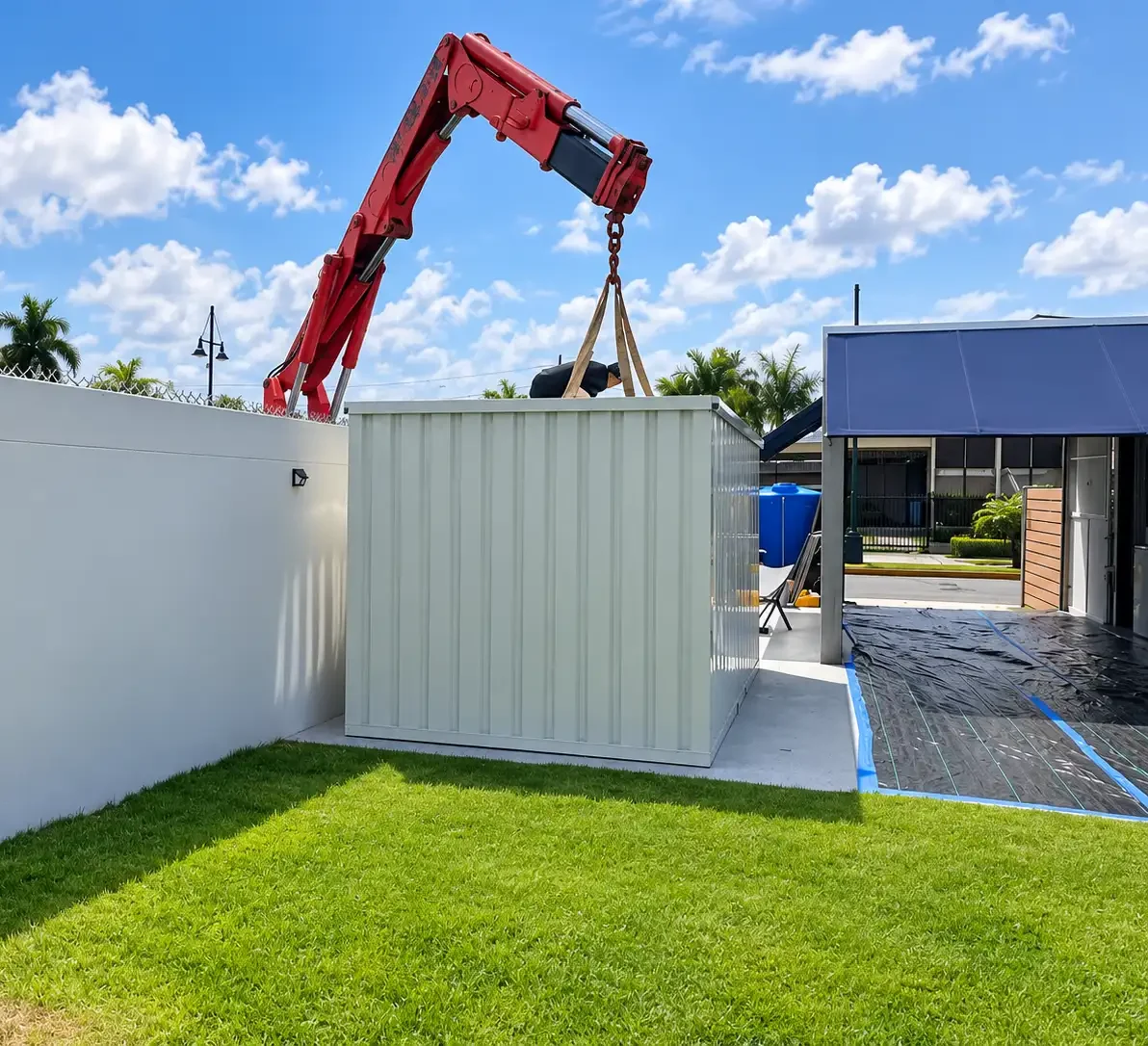
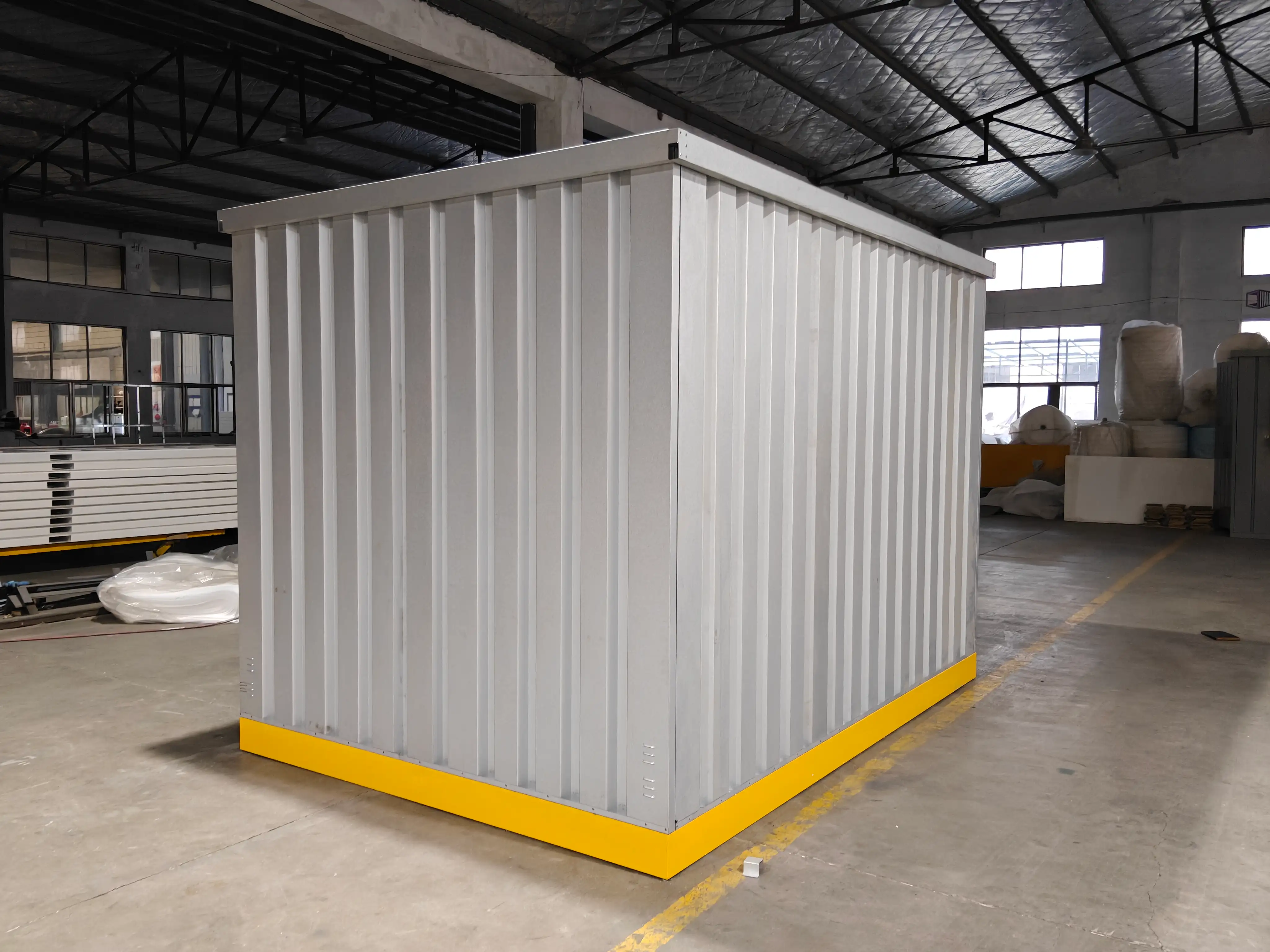
Our core flat pack storage unit lineup is available in 7 sizes from 3.5′ to 19′. All units feature a 7.5′ width, galvanized steel construction, and a powder-coated finish for secure, standardized commercial storage.
3.5' x 7.5'
1m x 2.29m
Our most compact storage solution, perfect for tight spaces while providing superior protection and reliability.
Residential, Small spaces
5' x 7.5'
1.5m x 2.29m
Compact yet spacious container engineered for durability, versatility, and long-lasting performance.
7' x 7.5'
2m x 2.29m
Popular residential size offering excellent storage capacity with a manageable footprint.
Residential, HOA communities
10' x 7.5'
3m x 2.29m
Versatile mid-size unit that balances capacity with footprint. Perfect for contractors and job sites.
Contractors, Job sites
13' x 7.5'
4m x 2.29m
Extended capacity unit offering more space while maintaining easy transport. Great for equipment dealers.
Equipment dealers, Retail
16' x 7.5’.
5m x 2.29m
Large capacity storage for demanding applications. Ideal for industrial operations and property management.
Industrial, Property management
19' x 7.5’.
6m x 2.29m
Our largest single-compartment storage unit, providing maximum capacity for commercial and industrial needs.
Industrial, Large-scale storage
Size, location, duration, delivery, and changing requirements can all influence the final storage cost.
A low starting price does not tell us what storage will ultimately cost.
The total can depend on several practical factors, including the storage option we choose, how long we need it, where it needs to be delivered, and the services required before, during, or after storage.
That makes it important to compare the complete requirement rather than a single advertised number.
Once those details are clear, it becomes easier to understand the available options and request pricing that reflects the actual requirement.
We would rather begin with the information that matters than make a decision around a price that may not represent the complete storage need.
Location matters with mobile storage.
Before we plan around a particular unit or delivery schedule, we need to confirm that the required service is available where we need it.
That is especially important when storage is connected to a move, renovation, project deadline, business operation, or another time-sensitive requirement.
Confirming availability early can help us avoid planning around an option that does not fit the location or timing.
It also gives us an opportunity to discuss the details that may affect delivery and storage arrangements before we commit.
Start with the location and storage requirement. From there, we can determine the appropriate next step.
Confirm where the storage needs to be delivered or deployed.
Define what needs to be stored and how much space is needed.
Identify any move dates, project deadlines, or other time-sensitive requirements.
Review practical factors that may affect delivery and storage arrangements.
Confirm availability first so the storage plan is built around an option that actually works for the location and schedule.
The right mobile storage option starts with the contents. Household belongings during a move create a different requirement from furniture during a renovation. Business inventory creates different considerations from tools, materials, or equipment.
Instead of choosing storage based only on what appears available, we can think about how the space will actually be used.
We should consider the amount being stored, the type of items involved, expected storage duration, access requirements, and the location where the storage will be used.
The goal is straightforward: choose enough space for the requirement without paying for capacity we do not need. That becomes especially important when the storage period extends beyond a few days or weeks. Small differences in the setup can matter more over time.
One of the main reasons we choose mobile storage is convenience.
Instead of moving everything back and forth to a traditional storage location, mobile storage can bring the storage step closer to where it is needed.
But convenient delivery still requires planning.
We need to consider the destination, access to the property or site, available placement space, timing, and any conditions that could affect delivery.
For a home, that may mean thinking about the driveway or available property space.
For a business or project site, we may also need to consider vehicle access, working areas, parking, equipment movement, and normal site activity.
Addressing those details early helps us create a smoother storage experience and reduces uncertainty around delivery day.
Plan Your Storage DeliveryPrice and convenience matter, but neither replaces trust.
When we place belongings, inventory, tools, equipment, or other valuable items into storage, we want to understand how that storage will work and what options are appropriate for the contents.
That means security should be part of the conversation before we commit.
We can consider what will be stored, how long it will remain in storage, who may need access, and whether any items require additional consideration.
For household storage, that may mean furniture, personal belongings, boxes, or seasonal items.
For commercial storage, the contents may include inventory, supplies, tools, equipment, or materials connected directly to day-to-day operations.
The more clearly we define the contents and conditions, the easier it becomes to select an appropriate storage option.
View Storage OptionsMoving and renovations create temporary space problems at exactly the moment when we already have enough to coordinate.
Mobile storage can help us separate the storage decision from the rest of the project.
Instead of trying to move everything into another space immediately, we can plan storage around the timeline of the move or renovation.
Packing
Clearing rooms
Staging a property
Completing work
Waiting for the next location to be ready
That can give us more flexibility while packing, clearing rooms, staging a property, completing work, or waiting for the next location to be ready.
The important part is matching the storage period and delivery plan to the actual project.
If the timeline changes, understanding the storage arrangement in advance can also make it easier to know what options are available next.
Check Service AvailabilityMobile storage is not limited to household moves.
Businesses can face the same space pressure for very different reasons.
We may need additional room for inventory, supplies, equipment, project materials, seasonal items, or temporary operational requirements.
In those situations, storage becomes part of the workflow.
We need to think about where the unit will be positioned, who needs access, what is being stored, how long the requirement is expected to last, and whether the storage needs may change.
A clear plan can help us avoid solving an immediate space problem only to create a new operational one.
For recurring business requirements, it is also worth considering whether the same storage setup may be needed again at another time or location.
Not every storage requirement lasts the same amount of time.
We may need additional space for a short project, several stages of a move, an extended renovation, seasonal inventory, or a longer business requirement.
Duration can influence both the practical setup and the overall cost.
That is why it helps to estimate how long we expect to need storage before choosing an option.
We do not need a perfect end date. We simply need enough information to understand whether we are solving a short-term problem or planning around a longer storage requirement.
That distinction helps us ask better questions about pricing, access, delivery, and what happens when we no longer need the storage.
Storage tied to a defined temporary requirement.
Storage that supports multiple steps of a move.
Additional space while work continues over a longer period.
Capacity that changes with demand or operating cycles.
Storage that becomes part of the ongoing operation.
We do not need an exact end date. We need enough clarity to understand whether the requirement is short-term or longer-term.
Understand the storage option, availability, pricing, delivery, preparation, duration, and next steps before committing.
A good storage experience should not begin with uncertainty.
Those answers give us a clearer picture of the complete experience rather than only the first transaction.
They also make it easier to compare options on what actually matters: cost, convenience, fit, security, and confidence in the process.
When we are ready to arrange Budget Box Mobile Storage , we can start with the information that matters most: what we need to store, where we need storage, how much space we require, and how long we expect to need it.
From there, we can confirm availability, review the appropriate storage options, understand delivery requirements, and establish pricing around the actual need.
We believe storage should make a move, project, renovation, or space constraint easier to manage—not introduce another source of uncertainty.
Start with the requirement. We can take it from there.
Define the belongings, materials, inventory, or equipment involved.
Confirm the property, project, or delivery location.
Choose storage around the actual capacity requirement.
Estimate the storage period so the setup can be planned properly.