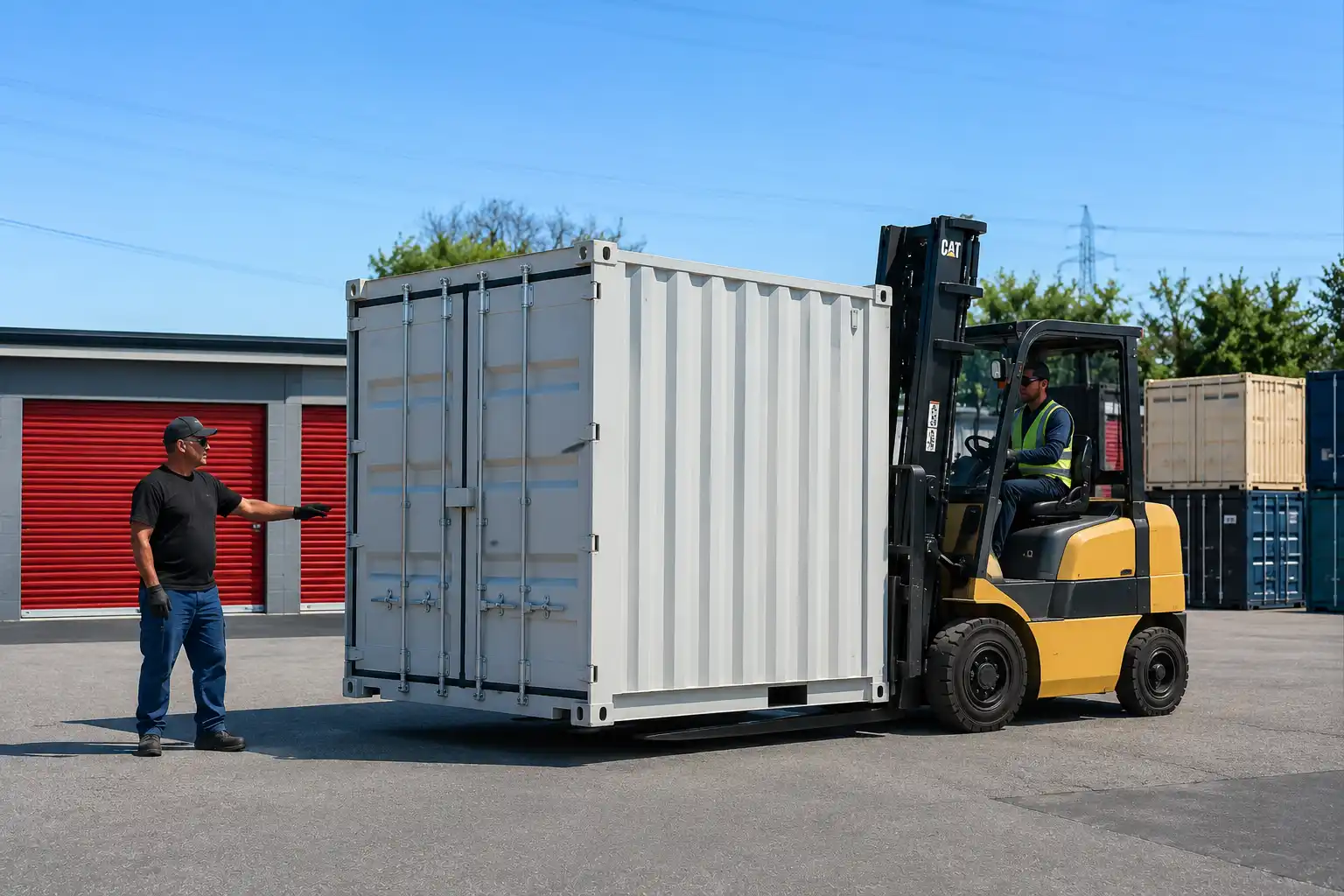
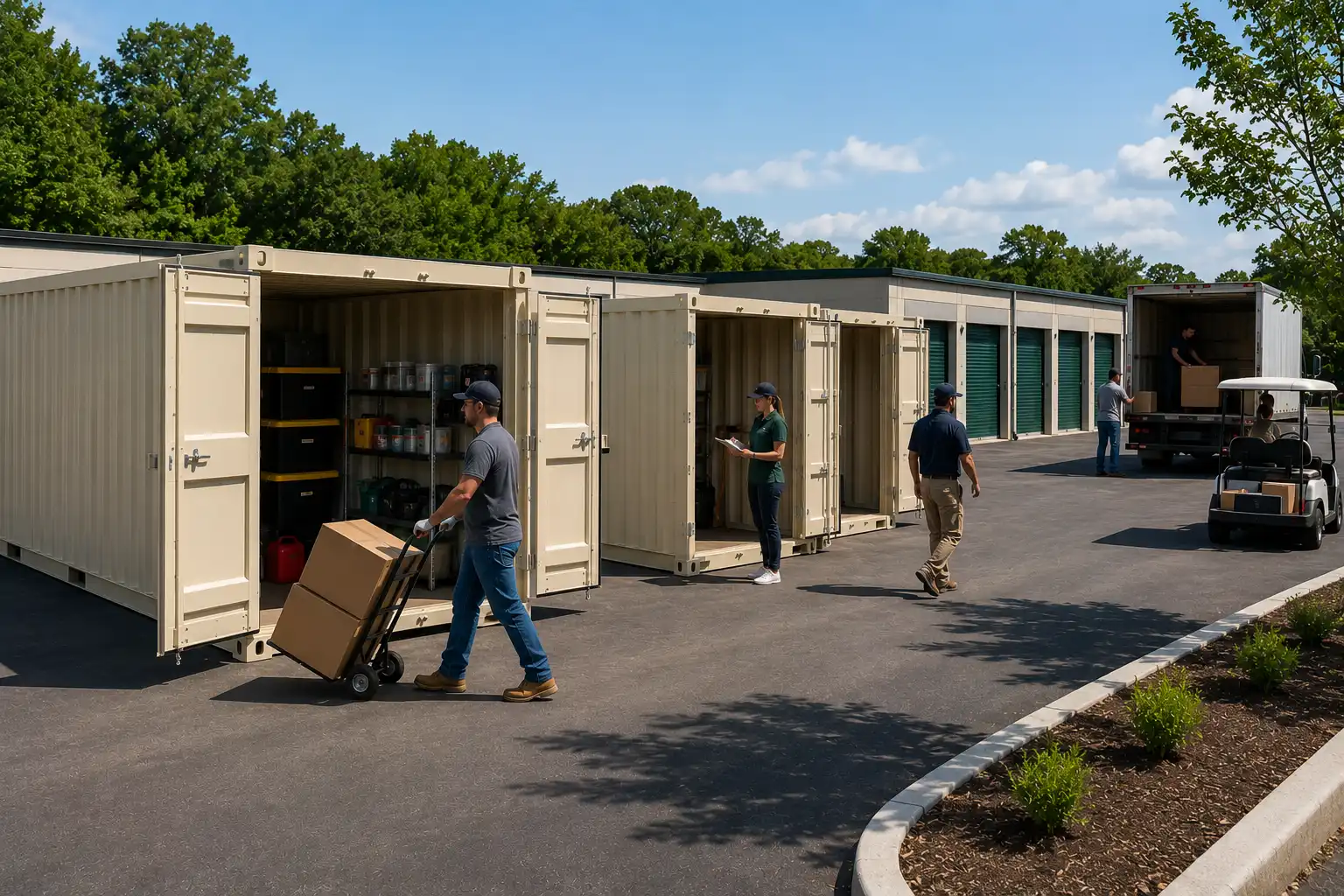
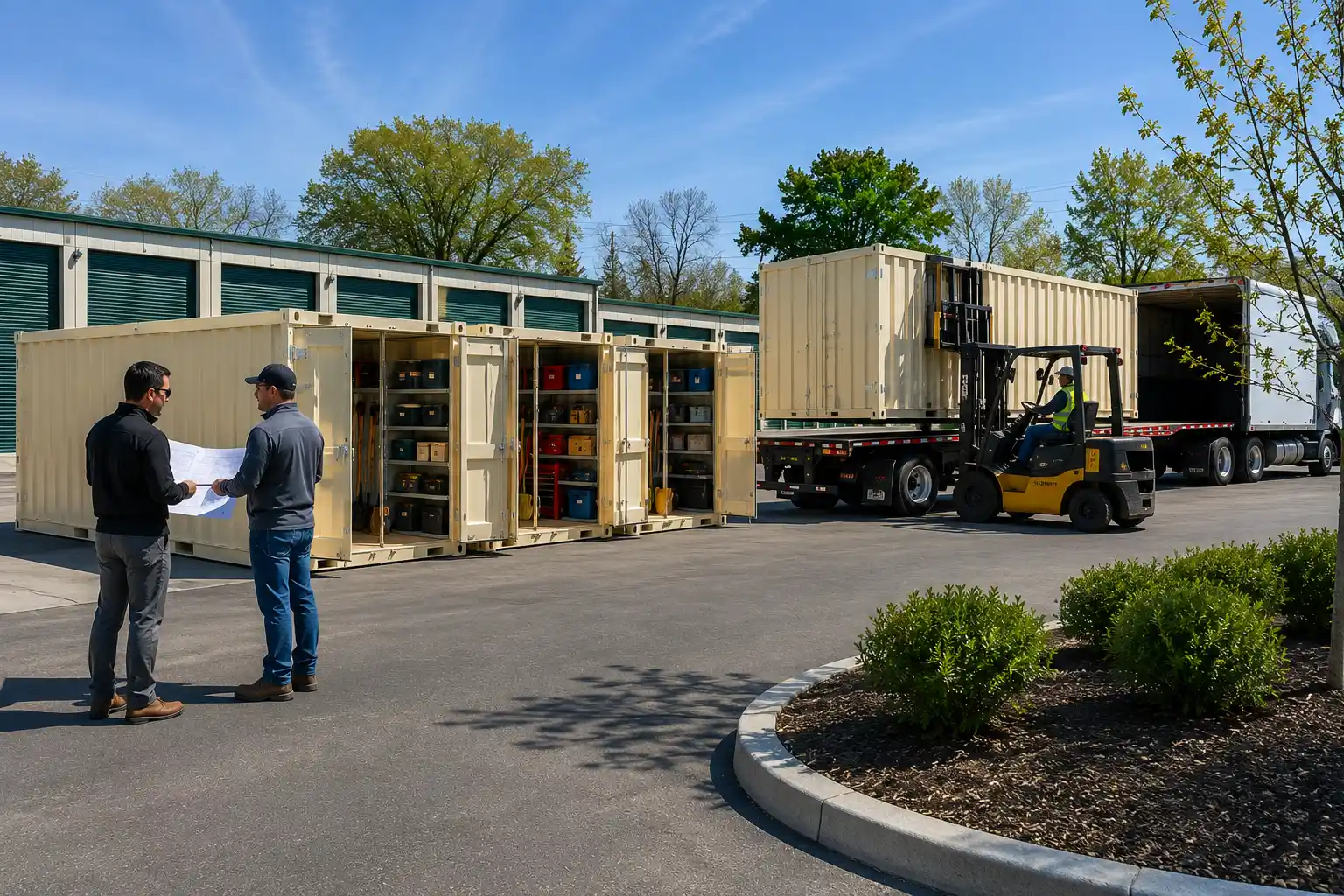
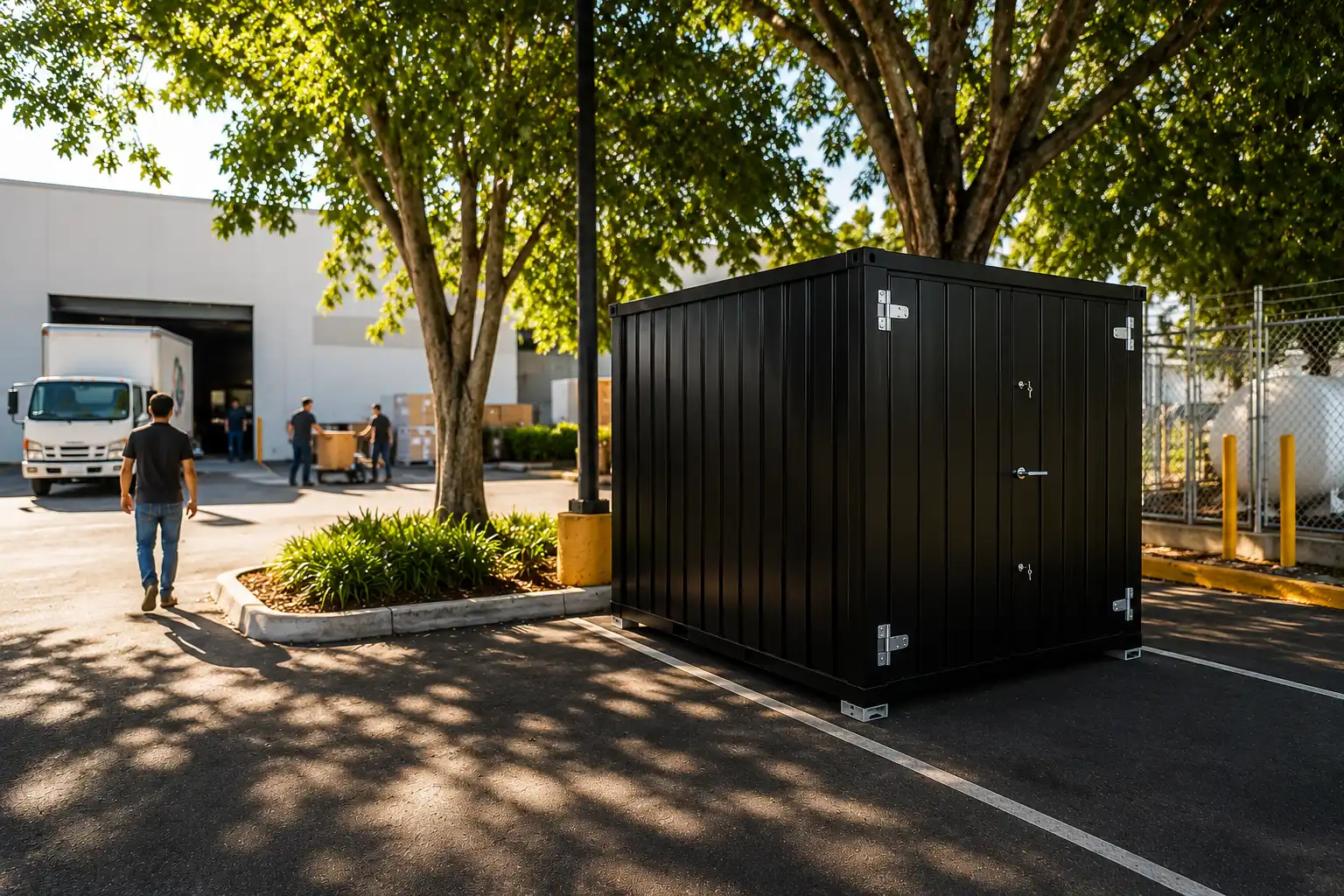
Add owned storage capacity with flat pack units that help operators expand usable space without committing to permanent construction.
Self-storage demand does not always wait for a full construction timeline. One property may need more rentable capacity during a seasonal surge. Another may have open pavement, an underused corner, or available yard space that could support additional storage. A portfolio team may need a repeatable way to add capacity across several locations without treating every site like a separate construction project.
We build mobile self storage containers for operators, REITs, asset teams, property managers, and commercial buyers who need a practical way to expand storage capacity with more control.
Our flat pack storage units are sold as owned assets, not rentals. That gives your team a clearer path to long-term planning, consistent site layouts, and repeatable expansion across the United States, Canada, and Puerto Rico.
When you need more storage capacity but permanent construction does not make sense yet, our units give you a flexible option to plan, place, and scale.
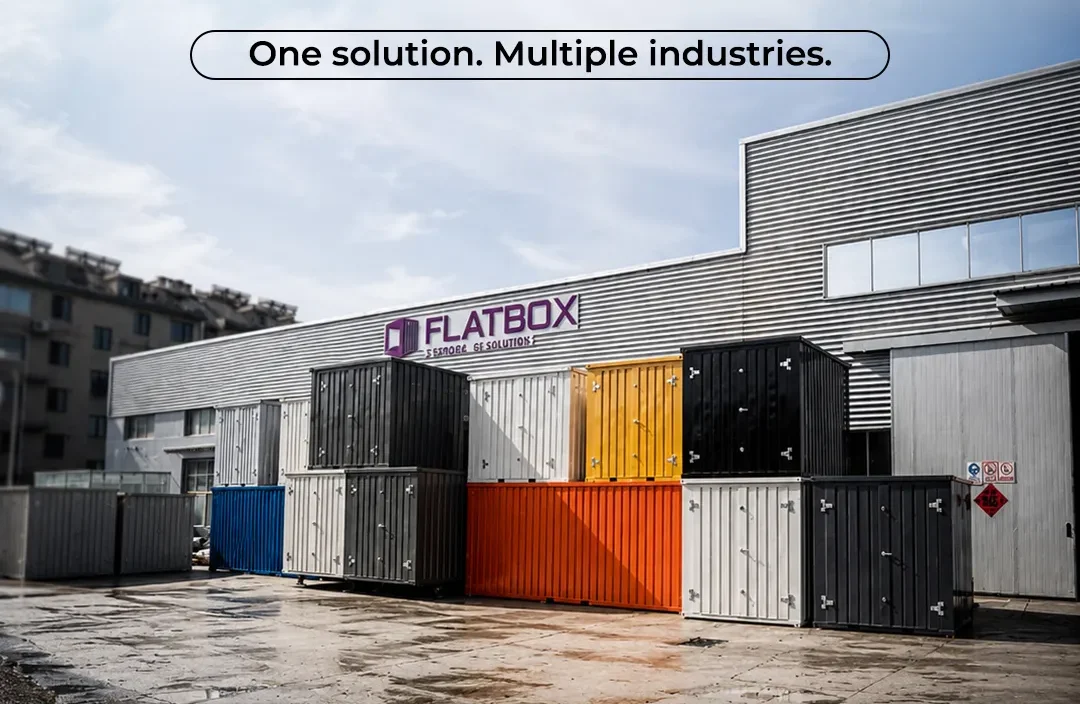
A Practical Way to Add Storage Capacity
A permanent building expansion can be expensive, slow, and difficult to justify when demand varies from one property to another. Some sites need more storage now. Some need overflow capacity. Others need a way to test demand before committing to a larger capital project.
Mobile self storage containers help fill that gap.
They can support tenant storage, operational storage, seasonal overflow, equipment storage, or phased property improvements. They also allow operators to use existing space more efficiently without giving up control of the storage asset.
For a single property, that may mean adding capacity where the site already has usable space.
For a portfolio, it may mean creating a repeatable storage model that can be used across several properties with consistent unit sizes, accessories, and planning steps.
That consistency matters. It helps procurement, operations, and asset teams make decisions faster and avoid rebuilding the storage plan from scratch every time a new site needs support.
Owned Units Instead of Rental Pods
Many searches for portable self storage containers lead to rental pods, temporary moving containers, or short-term storage services. Those options can work well for household moving or brief storage needs, but they are not always built for commercial self-storage planning.
Rental-first storage can create ongoing monthly costs. Unit specifications may change by market. Availability can vary. Branding and layout control may be limited. And when several properties need storage, a rental model can make it harder to build a consistent program.
We take a different approach.
We sell owned mobile self storage units that can become part of your long-term storage strategy. You can define the unit mix, choose practical accessories, plan placement, and repeat the same approach across future deployments.
Ownership gives your team more control over the asset and the site experience. It also supports clearer budgeting, cleaner rollout planning, and stronger consistency across locations.
Expand Without Turning Every Site Into a Construction Project
Not every storage opportunity requires a permanent building.
Some properties need a modest increase in usable storage. Some need extra capacity during peak demand. Others have space available but are not ready for a larger build-out. In those situations, flat pack mobile storage can help you add capacity without overcommitting.
Our storage units can be placed where site conditions allow, grouped together as demand grows, or used as part of a larger expansion plan. For asset teams, that creates a more measured path forward. You can add capacity, monitor use, and make future investment decisions with more confidence.
This is especially useful across portfolios where no two properties are exactly alike. One site may need compact storage. Another may need larger units. Another may benefit from multi-compartment storage that creates separate access points within a single footprint.
We help your team plan around the actual site needs instead of forcing one fixed approach everywhere.
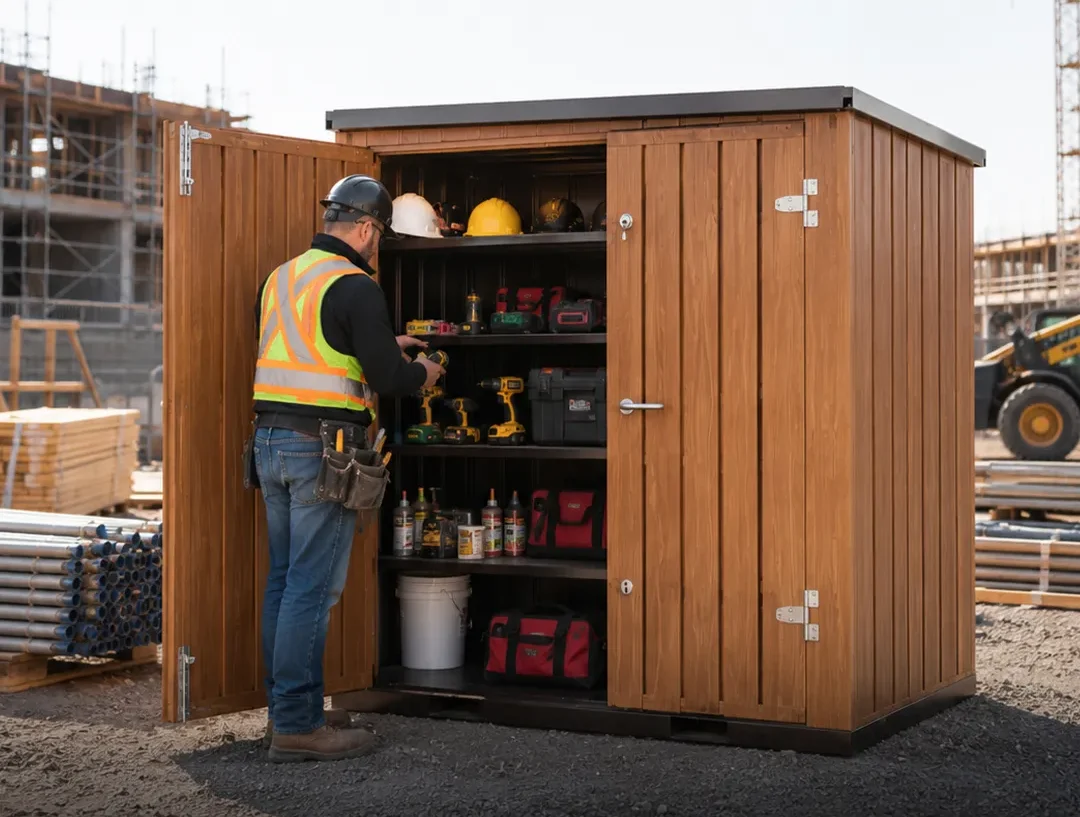
Standard Sizes for Cleaner Portfolio Planning
Storage planning becomes harder when every property uses a different storage solution. One site may use a rental pod. Another may use a traditional shipping container. Another may turn valuable indoor space into overflow storage. Over time, those choices can create inconsistent access, uneven security, and avoidable management friction.
We build around standardized sizes because repeatable planning is easier to manage.
Our storage unit sizes include:
3.5’, 5’, 7’, 10’, 13’, 16’, and 19’ units
This range gives your team flexibility without making every order feel custom. Smaller units can support compact storage needs, maintenance supplies, or tighter site conditions. Larger units can support tenant storage, site equipment, inventory, and higher-volume use cases.
For properties that need separate access areas, our multi-compartment units can provide multiple secure bays in a single 19’ footprint. That can help increase storage density while keeping access organized.
When your team uses consistent unit sizes and configurations, it becomes easier to compare needs, request pricing, plan delivery, and repeat the process at the next site.
Built for Outdoor Storage Conditions
A storage unit on a self-storage property has to do more than create space. It has to protect what is inside, handle daily site activity, and support a clean operating experience.
Our units are built with galvanized or galvalume steel panels, a corrugated profile for strength, and a powder-coated finish inside and out. They are designed to be weatherproof and include stainless-steel locks. Secure locking upgrades are also available depending on the configuration.
We also offer options such as insulation, anti-condensation spray, flexible door placement, flooring upgrades, RAL color options, and linking kits for banking multiple units together.
Every unit includes a 2-year warranty, giving your team added confidence when planning for long-term use across one site or multiple properties.
Accessories That Help Storage Stay Organized
Additional storage only helps if it stays usable.
A container without organization can quickly become another crowded space. The right accessories help your team create a cleaner, more functional storage setup from the start.
We offer interior shelving, exterior shelving, pipe racks, secure locking system upgrades, flooring upgrades, and linking kits. These options help improve access, separation, and day-to-day usability.
For self-storage operators, accessories can help create a more organized storage experience.
For property teams, shelving can support maintenance equipment, supplies, seasonal items, and operational materials.
For multi-site buyers, a consistent accessory package can help every property follow the same storage layout.
The goal is not only to add space. The goal is to add storage that is easier to use, manage, and repeat.
Clear Build and Shipping Timelines
Storage expansion often comes with pressure. Demand may already be rising. A property may be running out of room. A portfolio team may be planning several improvements at once. A new site may need storage ready before operations begin.
We help teams plan with a clear standard timeline:
4–6 weeks for build
4–6 weeks for shipping
That timeline gives operators, procurement teams, and asset managers a practical planning window. For one site, it helps align storage delivery with site readiness. For multiple properties, it supports better sequencing, budgeting, and rollout coordination.
When timing matters, we recommend confirming your build and ship window early.
Serving the United States, Canada, and Puerto Rico
We support commercial and self-storage buyers across the United States, Canada, and Puerto Rico. Whether you are planning one property or creating a repeatable storage program across several markets, we can help define the right unit mix, accessories, and rollout approach.
Our facilities include locations in the United States, Puerto Rico, and Toronto, Canada, giving buyers regional access points to view storage options in person.
For operators and portfolio teams working across multiple markets, that coverage helps support a more consistent planning process.
Build a Better Storage Plan Before You Buy
Before ordering mobile self storage containers, it helps to define what each unit needs to accomplish.
Start with the practical questions:
What kind of storage demand are you trying to support?
Will the units be used for tenant storage, property storage, overflow, or operations?
How much available site space can be used?
Do you need single units, multi-compartment units, or a banked layout?
Will shelving, flooring upgrades, lock upgrades, or linking kits be needed?
Is this a one-site purchase or part of a larger portfolio plan?
Are there placement, access, or delivery conditions we should review before ordering?
These answers help your team avoid guesswork. They also make pricing and procurement easier because the unit sizes, quantities, accessories, and deployment requirements are clearer from the start.
The best next step is to build a rollout bill of materials.
Plan Mobile Self Storage Containers With More Control
If your team is comparing mobile self storage containers, portable self storage containers, or mobile self storage units, we can help you create a storage plan that supports the way your property or portfolio actually operates.
We sell owned flat pack storage units for commercial, self-storage, property, and multi-site use. Our approach gives your team standardized sizes, durable construction, practical accessories, clear build and ship timelines, and long-term asset control.
For self-storage operators, that can help turn available space into usable capacity.
For REITs and asset teams, it can support portfolio consistency.
For property managers, it can create better storage options without permanent construction.
For procurement teams, it can simplify repeat ordering and rollout planning.
Start with Build Your Rollout BOM to map out unit sizes, quantities, accessories, and deployment needs.