

Sustainability Means More When It Also Reduces Shipping and Deployment Friction
Flatbox Solutions builds sustainable flat pack containers that reduce freight burden, support long-term durability, and make multi-site deployment more efficient.
4-6 wk Build
4-6 wk Ship
7 Sizes
US · CA · PR
Sustainability matters most when it improves how the work gets done.
For commercial buyers, that means the sustainability story has to go beyond image. It needs to reduce waste, simplify logistics, and hold up in real operating conditions. If a product is positioned as responsible but still creates unnecessary freight burden, excessive handling complexity, or short service life, the value does not last. That is why Flatbox Solutions approaches sustainability through efficiency.
Read More
The focus is practical: ship more intelligently, deploy with less friction, use durable materials that stay useful longer, and create a product system that supports repeatable growth across multiple locations. That is where sustainable flat pack containers become meaningful for businesses operating across the United States, Canada, and Puerto Rico.
Freight Burden Is One of the First Sustainability Problems to Solve
Traditional container logistics can consume more resources than buyers expect. A fully assembled unit takes up shipping space before it creates value. It is bulkier to move, harder to route efficiently, and more demanding in terms of staging and handling. Across multi-site programs, those inefficiencies scale quickly. More shipping volume means more freight pressure, more coordination, and more waste tied to transport before the unit is even operational.
That is where reduced freight footprint containers offer a real advantage.
Flatbox Solutions uses a flat pack shipping model that allows units to move more compactly than fully assembled alternatives. That changes the logistics profile in practical ways. More units can fit within the same shipping footprint. Freight planning becomes easier to manage.
Read More
Port handling, inland delivery, and receiving coordination become more efficient. For multi-site buyers, those gains affect cost, timing, and resource use at the same time.
A lower freight burden is not only a logistics benefit. It is part of a more responsible deployment model from the start.
Sustainability Has to Hold Up in the Field
Shipping efficiency only matters if
the product performs after arrival. That is one of the biggest weaknesses in broad sustainability claims. A product can sound efficient on paper, but if it wears out too quickly, corrodes early, or creates replacement problems, the lifecycle value falls apart. Sustainability becomes harder to defend when durability is weak.
That is why flat pack container sustainability has to be tied to build quality.
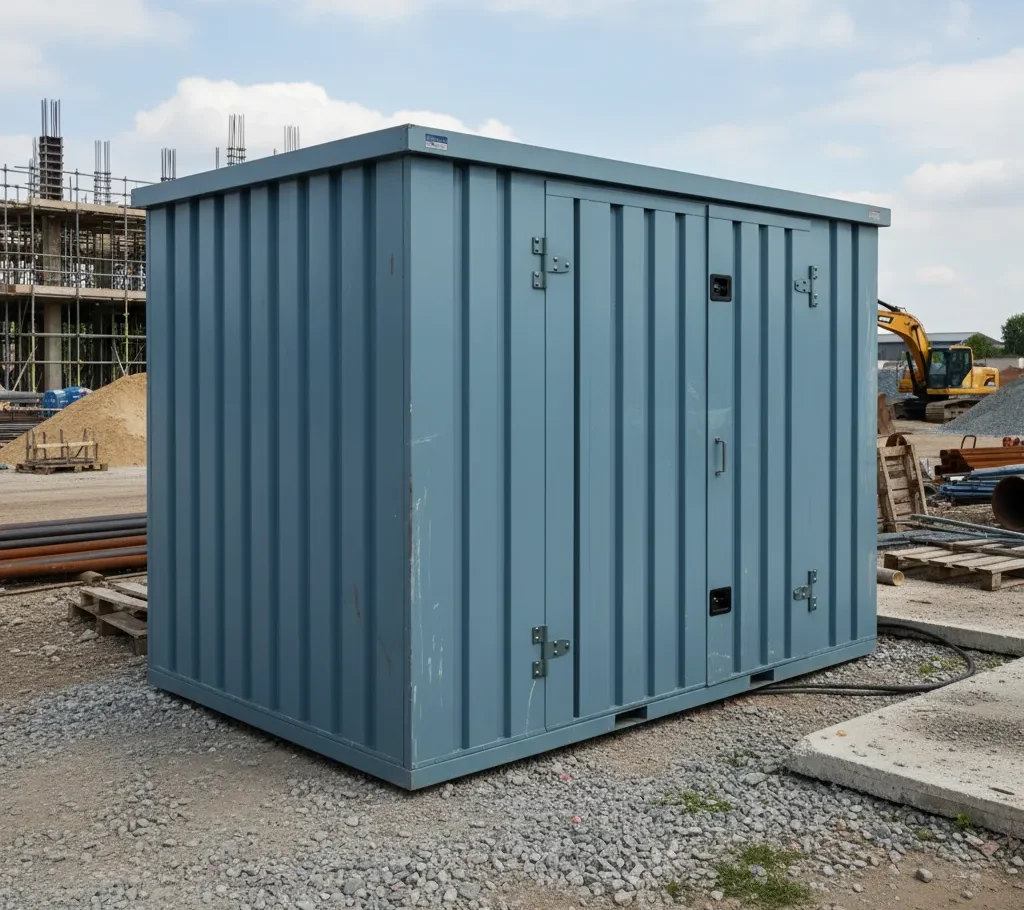
Flatbox Solutions uses galvanized or galvalume steel panels with a corrugated profile for structural strength and powder-coated finishes for corrosion resistance.
Those material choices matter
because they help turn shipping efficiency into long-term usefulness. Units need to perform in real conditions, including humid climates, coastal environments, high-traffic operations, and long deployment cycles. A stronger product life supports a stronger sustainability story.
Durability is not separate from sustainability. In a commercial deployment, durability is one of the reasons sustainability becomes credible.
Waste Increases When Multi-Site Programs Lack Consistency
Transport is only one source of waste.
Waste also shows up when programs are handled differently from site to site, when receiving plans change constantly, and when accessories, unit choices, and deployment assumptions drift across locations. Multi-site infrastructure becomes less efficient when every location turns into a new version of the same problem.
That is why standardization supports sustainability so well. A repeatable deployment model reduces unnecessary variation. It gives procurement a cleaner structure for ordering. It gives operations a more stable way to plan receiving, placement, and expansion. It helps sites work from a known kit instead of a collection of changing decisions.
Flatbox Solutions is built around that repeatability. Storage units, kiosk units, office units, and accessories are organized around standardized cores and controlled option sets. That approach reduces waste not only in shipping, but across the larger deployment lifecycle. Fewer improvised decisions usually mean fewer avoidable errors, fewer extra movements, and less operational drag over time.
Lifecycle Value Matters More Than One Shipping Event
A one-time freight gain is useful. A longer-term operating gain is stronger.
Sustainability becomes more valuable when it is evaluated across the full life of the deployment. How the unit ships matters. How long it stays useful matters. How easily it can be reordered, standardized, and rolled out again matters too.
Flatbox Solutions supports that lifecycle value in several ways.
The flat pack format reduces shipping burden at the front end. The steel construction and corrosion-resistant finishes support longer service life. Standardized product formats make repeat ordering and future expansion more manageable.
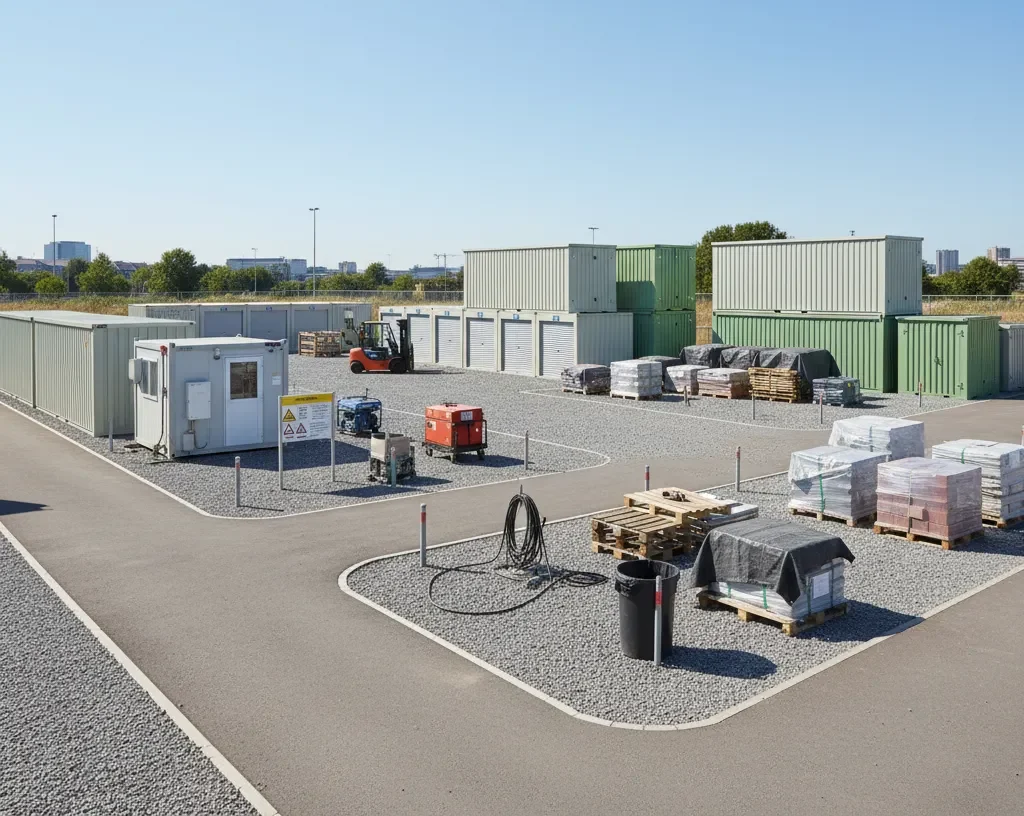
Controlled upgrade paths help teams maintain discipline instead of creating unnecessary complexity with every new location. That combination leads to fewer wasted resources per deployment and a stronger foundation for long-term use.
Efficiency Is the Most Credible Sustainability Story
Many sustainability pages rely on language buyers cannot connect to daily operations.
Flatbox Solutions takes a more practical position.
Efficiency is the sustainability story.
It appears in compact shipping. It appears to reduce freight burden. It appears in long-life steel construction. It appears in standardized product formats that support cleaner expansion. It appears in rollout models that reduce excess handling, unnecessary variation, and avoidable waste.
That is why the message is easier to trust. Buyers do not have to interpret a vague claim. They can see how the system uses freight, materials, and deployment resources more intelligently. That matters for procurement teams under cost pressure, operations teams managing multiple sites, and leadership teams trying to scale with more control.
Why This Matters Across the United States, Canada, and Puerto Rico
Regional scale makes efficiency more important, not less.
The farther a product needs to move and the more sites involved, the more damaging bulky shipping, inconsistent planning, and short lifecycle performance become. Multi-region programs create more opportunities for excess freight, misalignment, and avoidable waste if the system is not designed for repeatability.
That is one reason Flatbox Solutions is built for deployment across the United States, Canada, and Puerto Rico. A more compact logistics profile, stronger materials, and more disciplined planning help buyers expand with less friction. Sustainability becomes part of how the product system works across markets, not a separate message layered on after the fact.
How Flatbox Solutions Approaches Sustainability
Flatbox Solutions approaches sustainability through disciplined efficiency.
The company does not separate sustainability from the product system. It is built into the shipping model, the material choices, and the deployment logic. Flat pack shipping reduces freight burden. Long-life galvanized steel construction supports durability. Standardized product formats reduce wasteful variation across sites. Repeatable rollout planning helps teams scale with fewer unnecessary inputs.
That is what makes the model practical.
For organizations evaluating sustainable flat pack containers, the more important question is not whether the units sound sustainable. It is whether the system uses freight, materials, and deployment resources more intelligently over time. Flatbox Solutions is built to answer that question with a stronger yes.
The Bottom Line
Sustainability means more when it also reduces shipping and deployment friction.
That is what turns it from a message into an operating advantage.
When freight burden drops, more units fit into the same shipping profile, staging becomes easier, and multi-site deployment gets more efficient. When durable steel construction supports longer service life, the value extends beyond transport into lifecycle performance. When standardized rollout planning reduces unnecessary variation, the entire program uses resources more intelligently over time.
That is the sustainability model behind Flatbox Solutions.
For organizations deploying across the United States, Canada, and Puerto Rico, Flatbox Solutions offers a more practical path: sustainable flat pack containers designed to reduce freight burden, support long-term use, and make multi-site infrastructure more efficient from shipment to deployment.